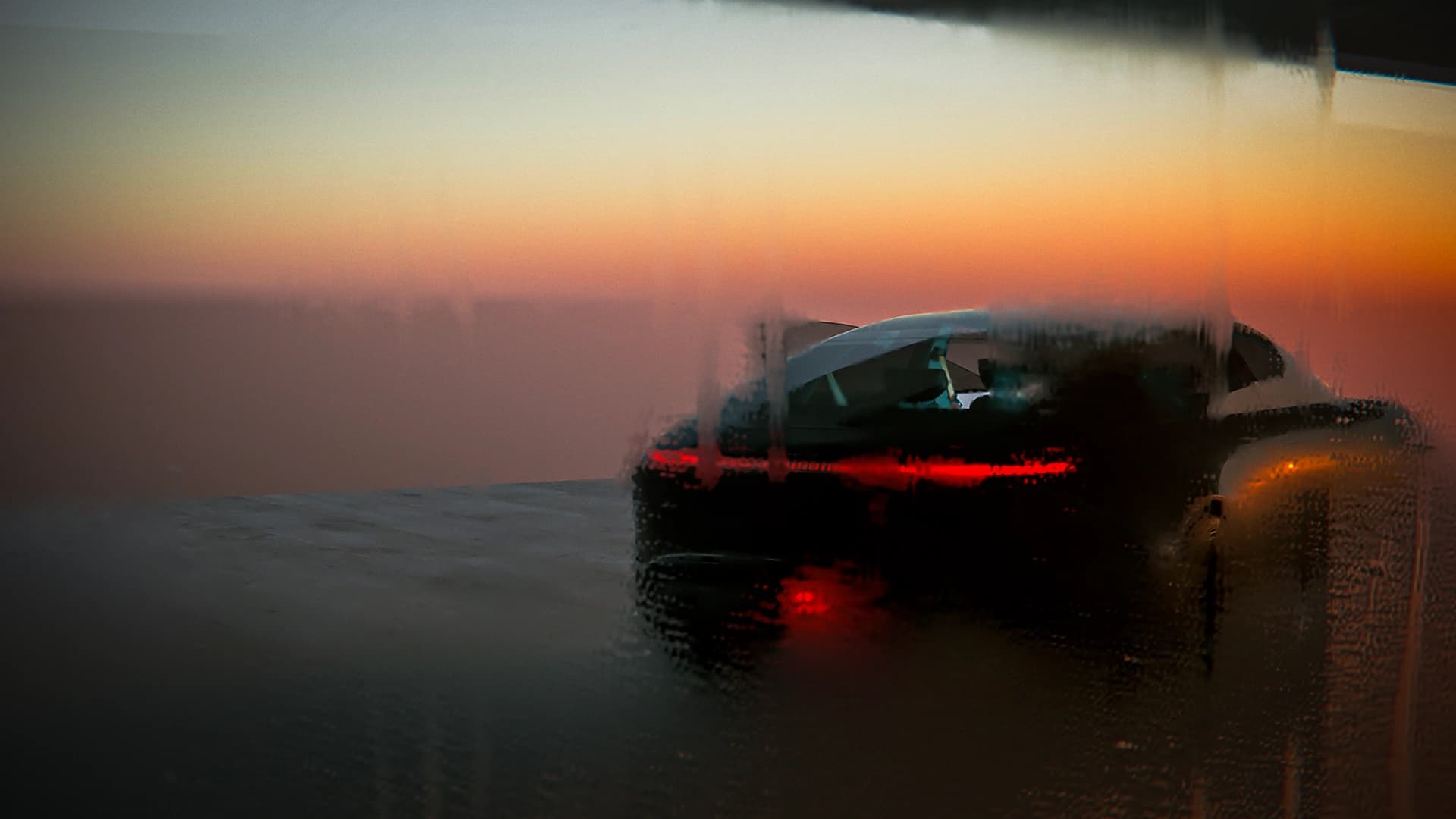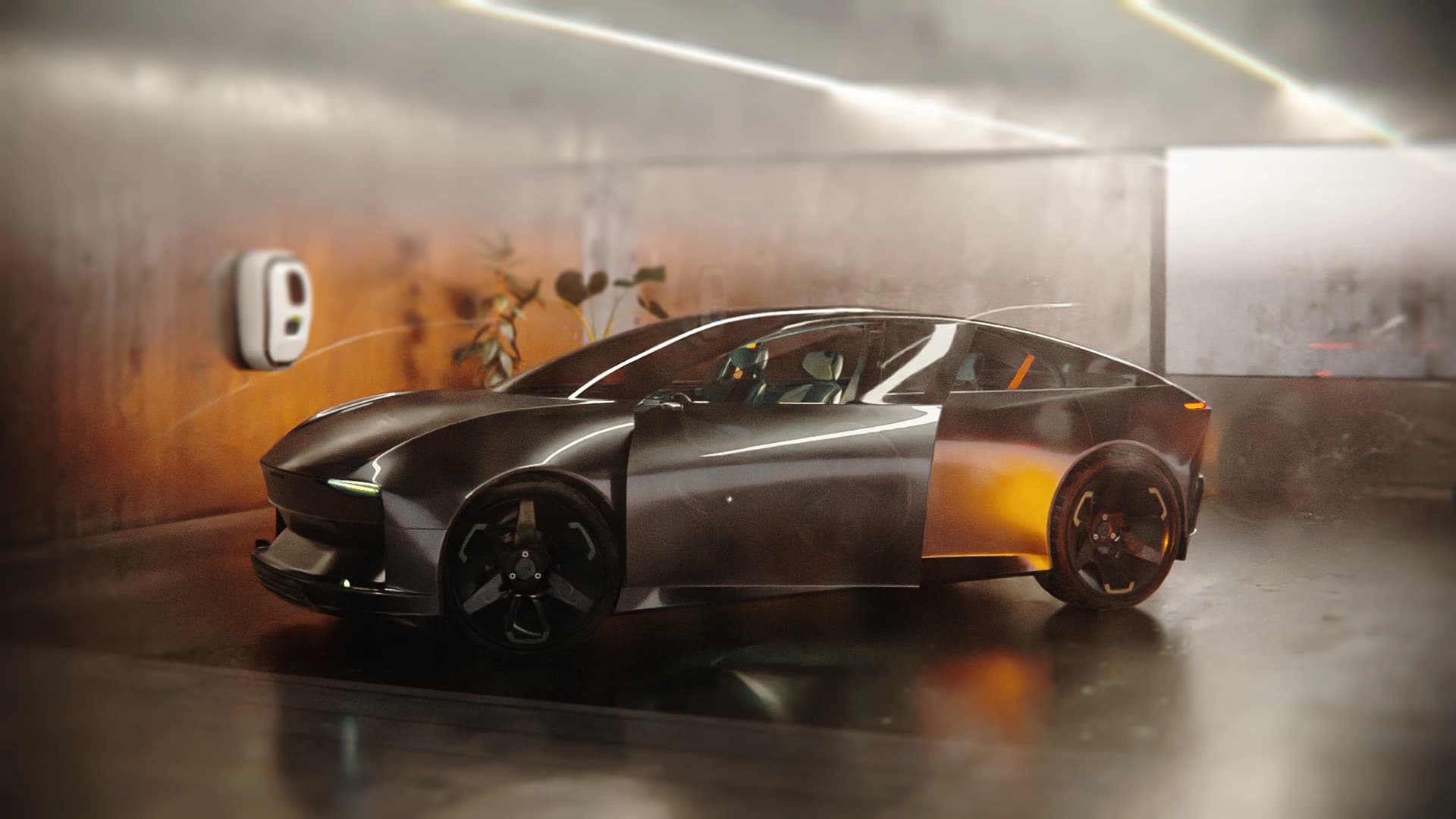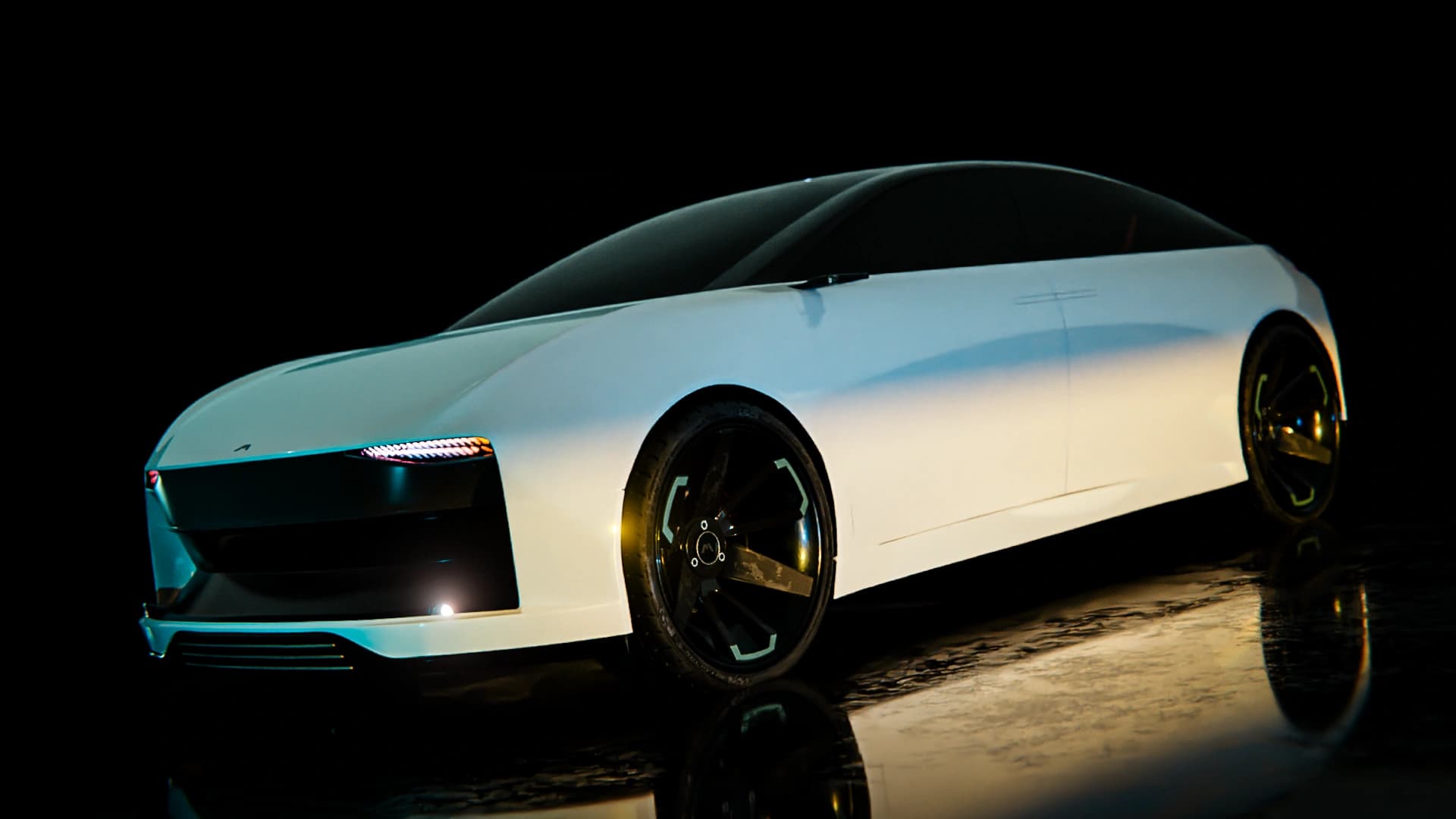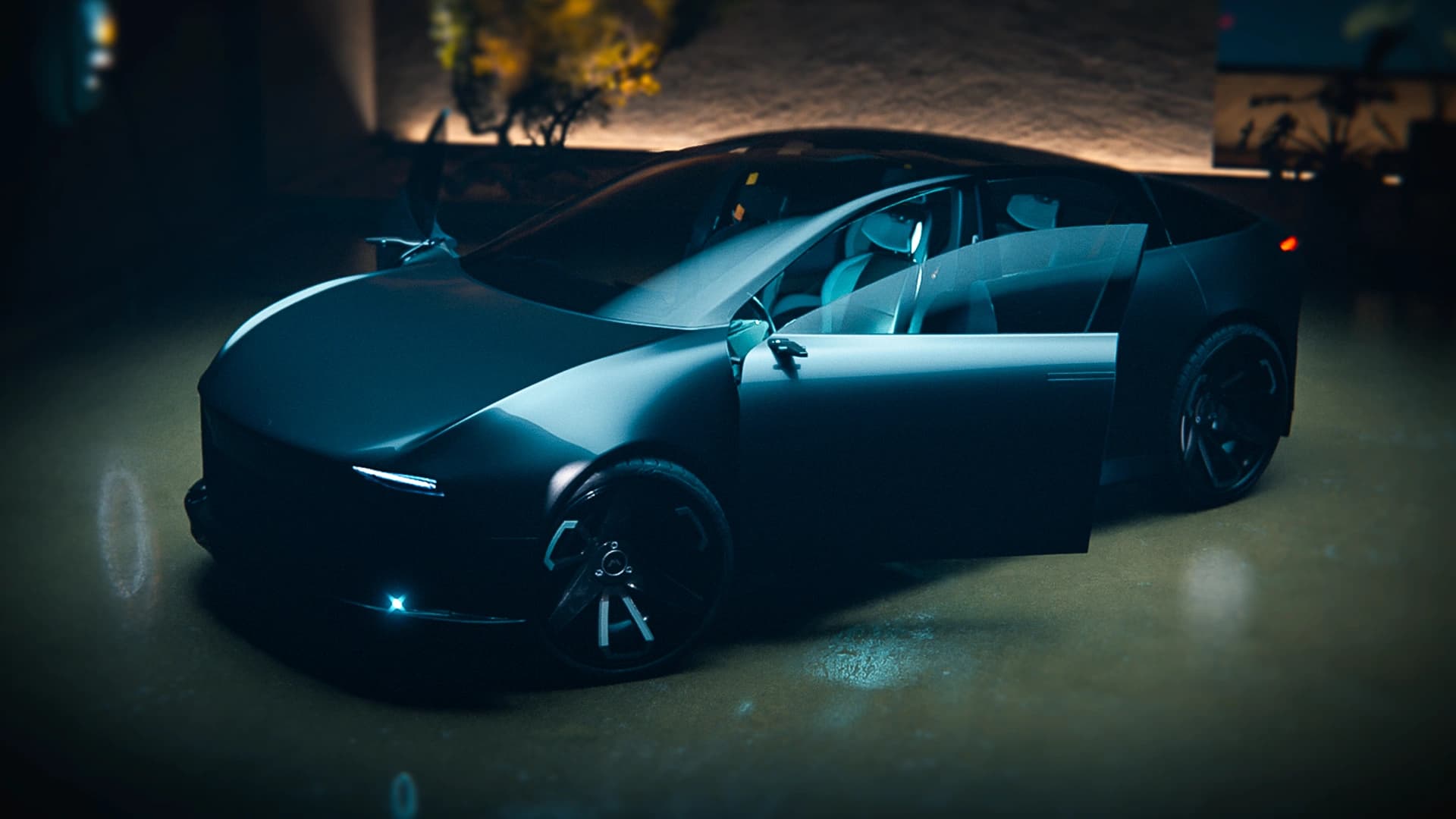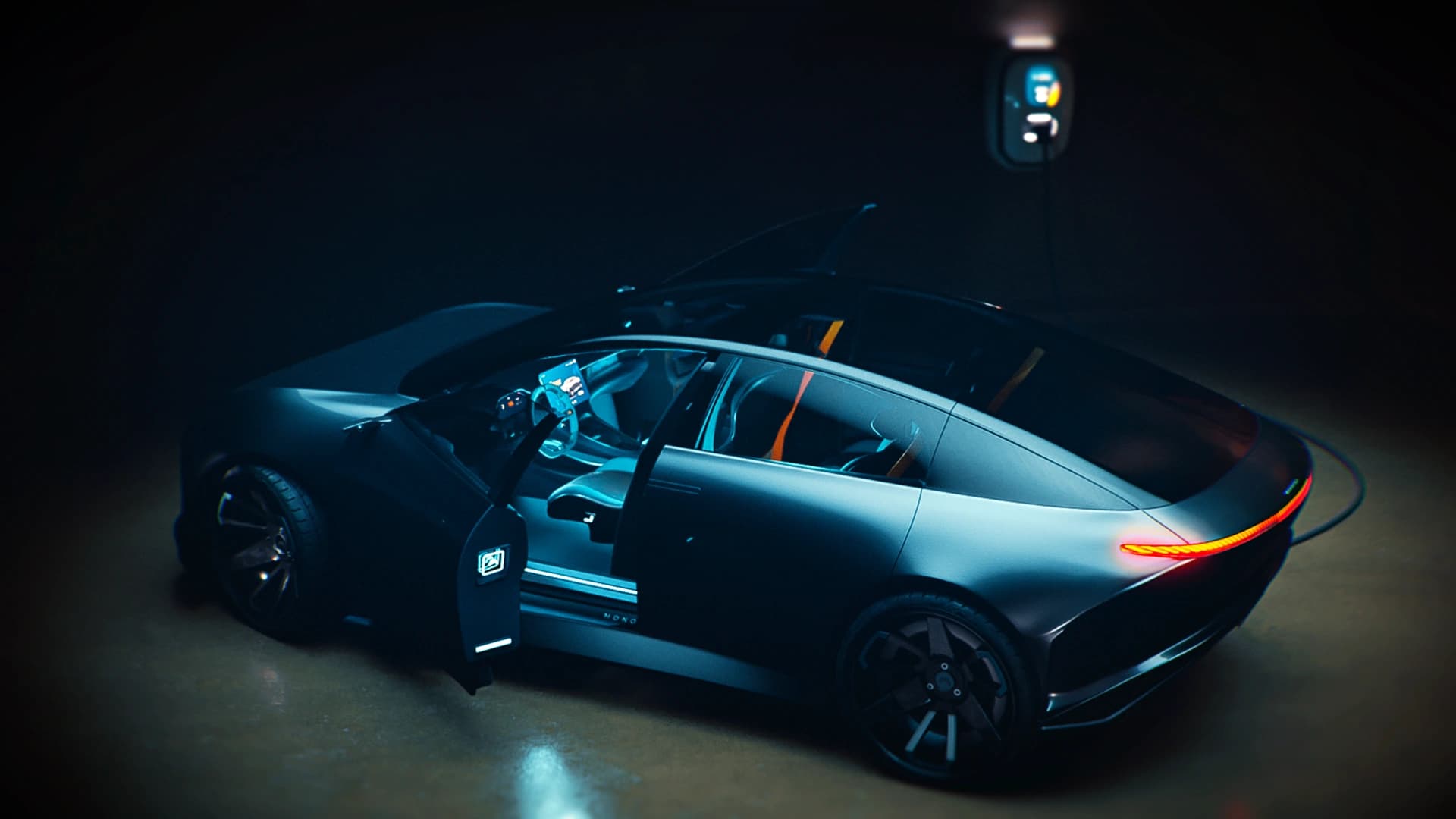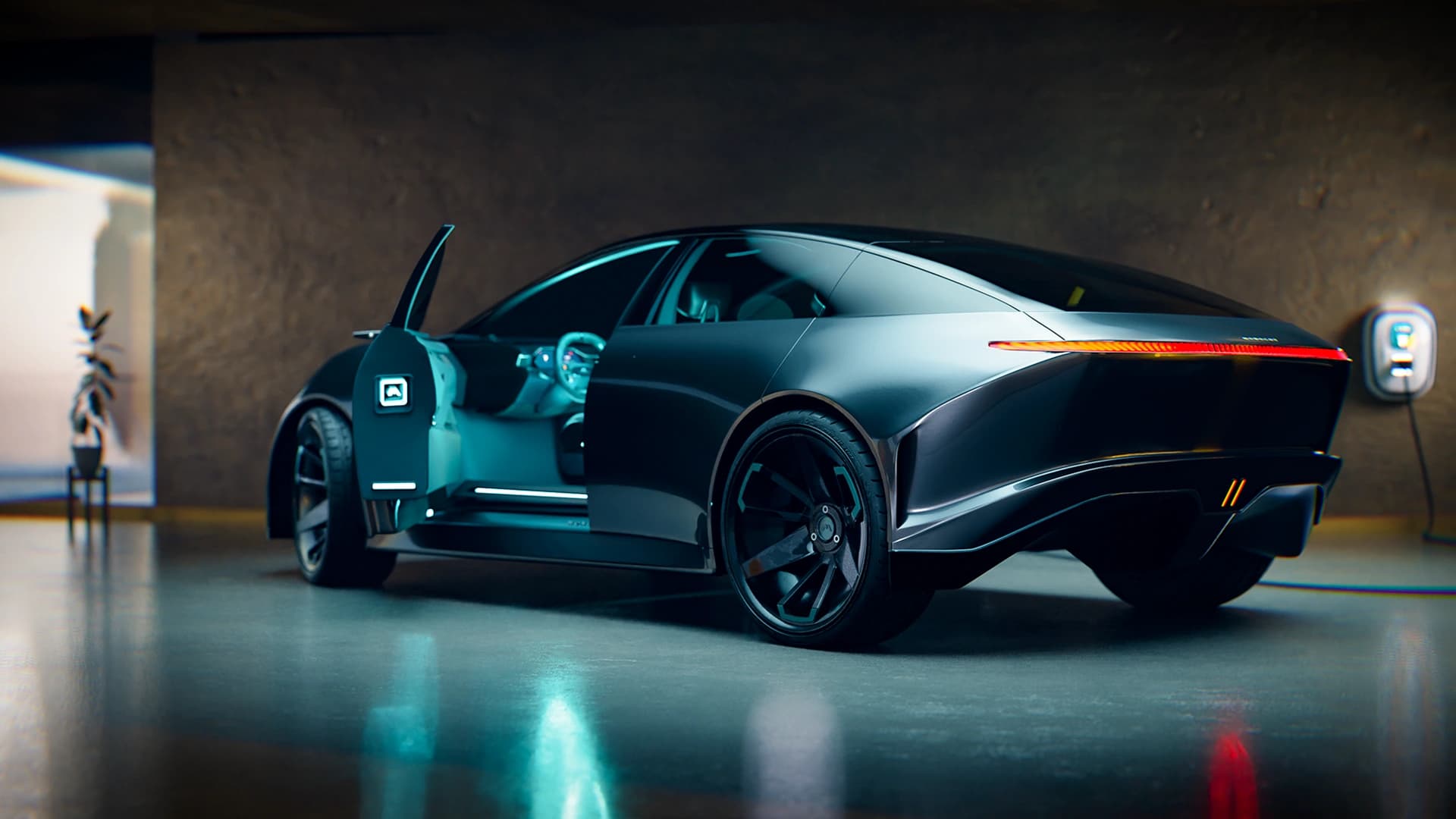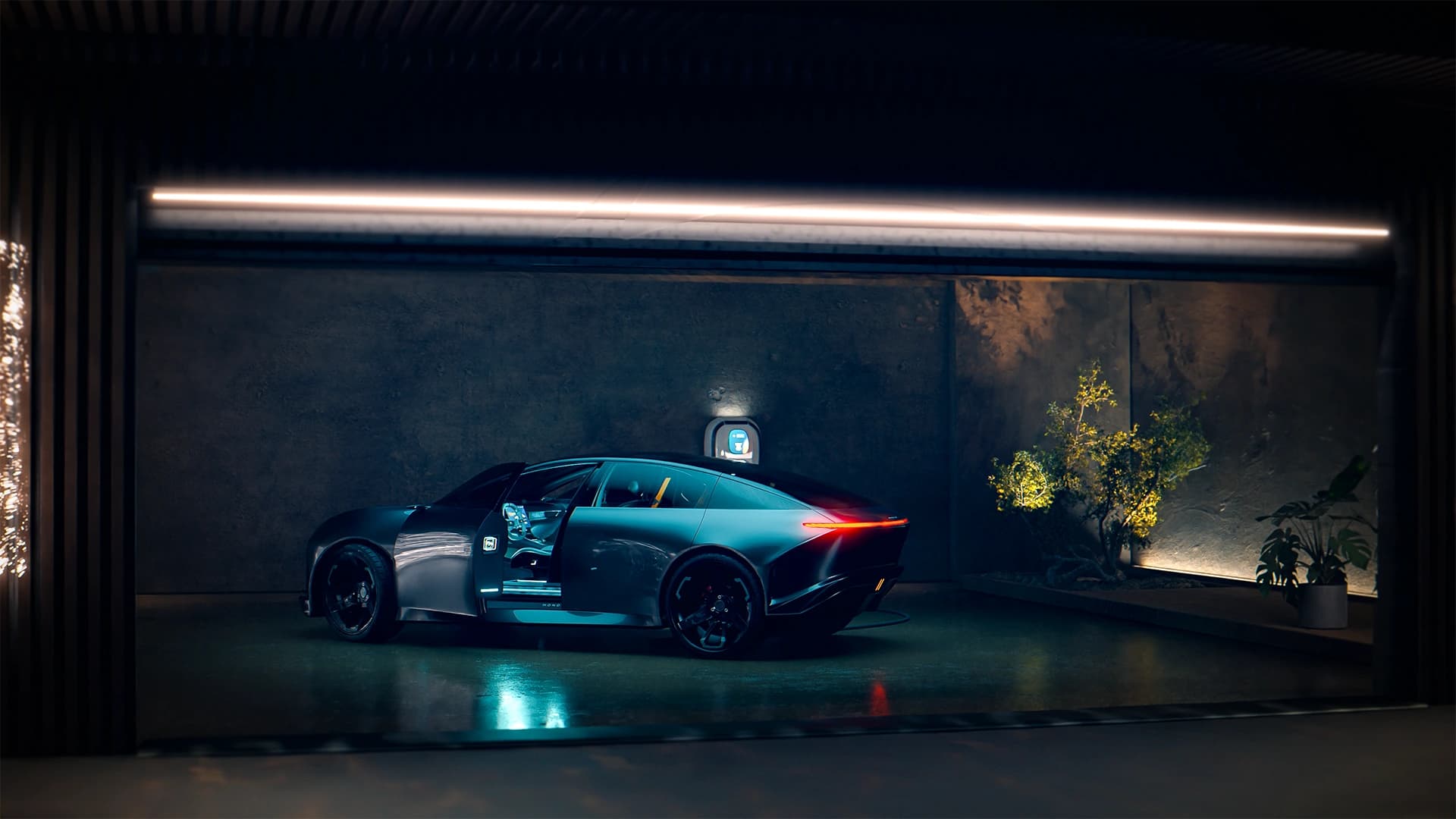
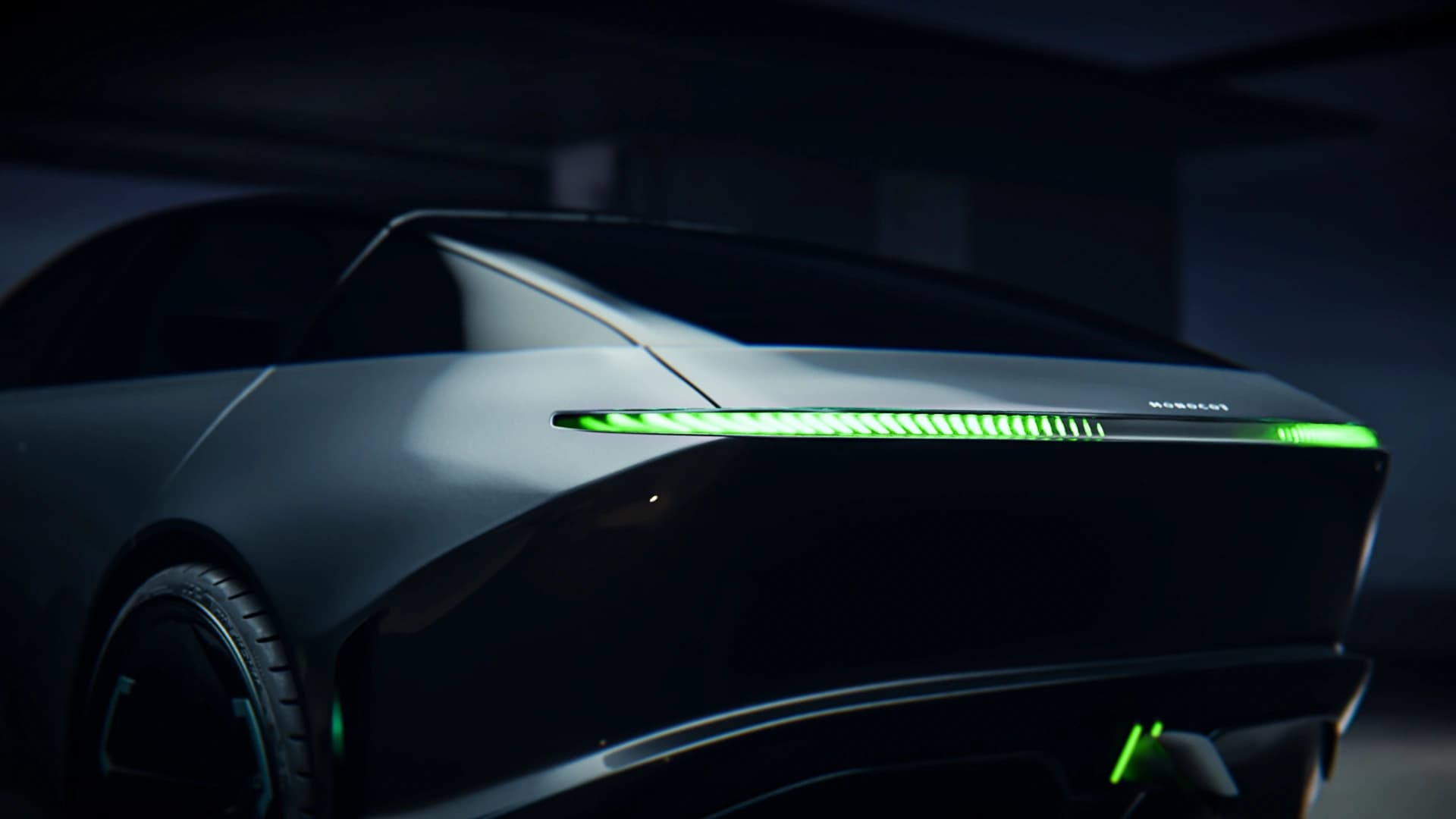
Monocot is a self-initiated concept-car brand — a full-vertical experiment covering brand development, vehicle design (exterior + interior + materials), HMI, visualisation, and storytelling. The brand metaphor is rooted in plant biology: 'Mono/cot' = 'One Embryo Leaf', the single leaf that pushes through the ground and outshines its surroundings by adding value to the eco-system. Every design decision — colour palette, rim geometry, surface treatment — anchors back to that one idea.
← All projects
Visual & Design · Self-initiated
Monocot
Own brand experiment — identity, web, and 3D car-design work under a self-directed brief.
- Brand identity
- Web design
- 3D car
- Self-directed
Visual index
Jump into the work
Each tile takes you to a full-size section below. The Monocot project spans brand, exterior, interior, HMI, biomimicry, and storytelling — pick where you want to land first.
Brand philosophy
Most manufacturers invent features and add functions no one asked for. Monocot answers a different question: what if a brand stands out by being the ONE not doing that? The vehicle is stripped of unnecessary features and developed to satisfy a few essential needs very well. The brand's centre of gravity sits outside the product itself — promoting active, adventurous, healthy lifestyles, with the vehicle as enabler rather than destination.
Exterior + interior
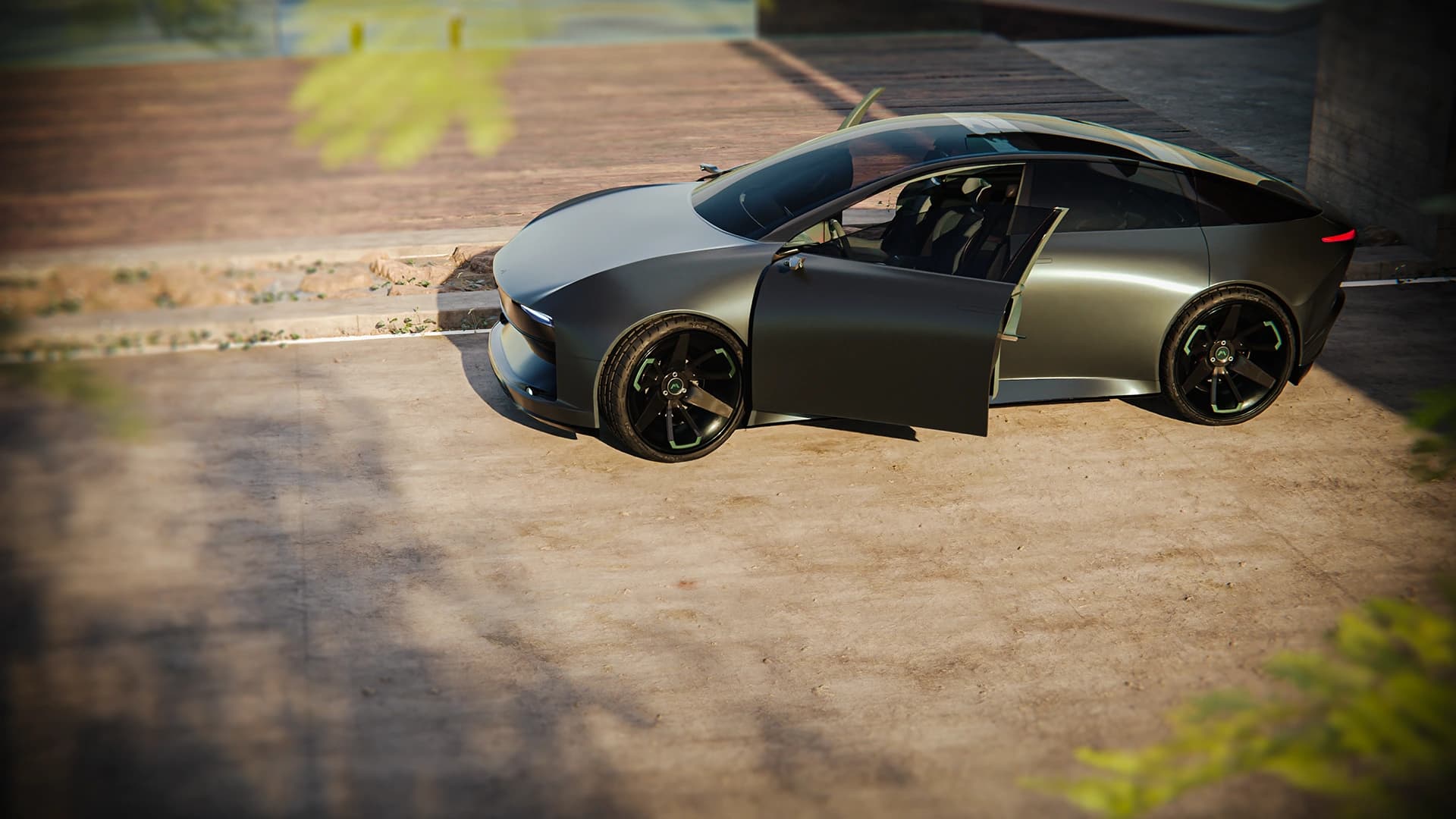
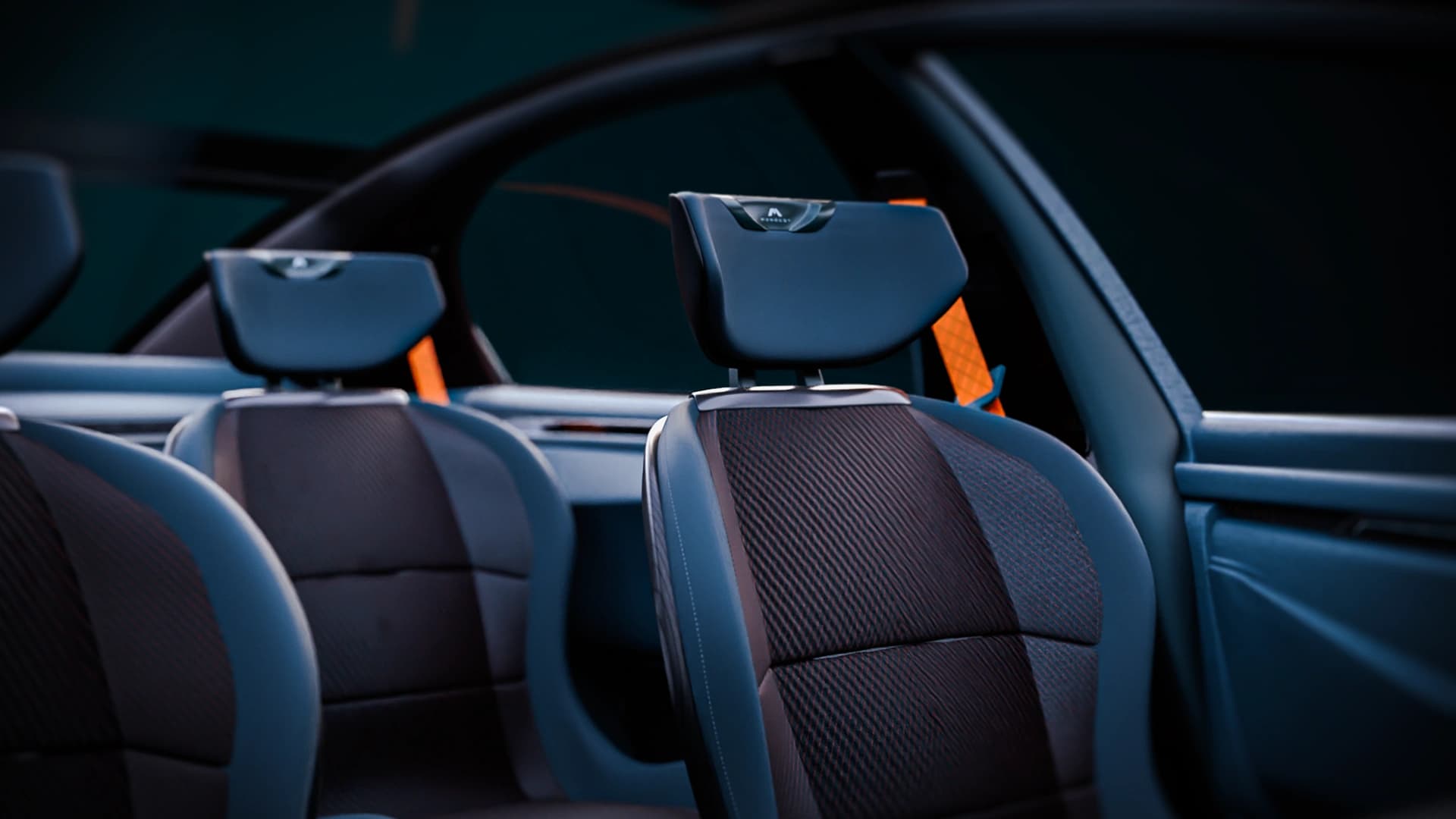
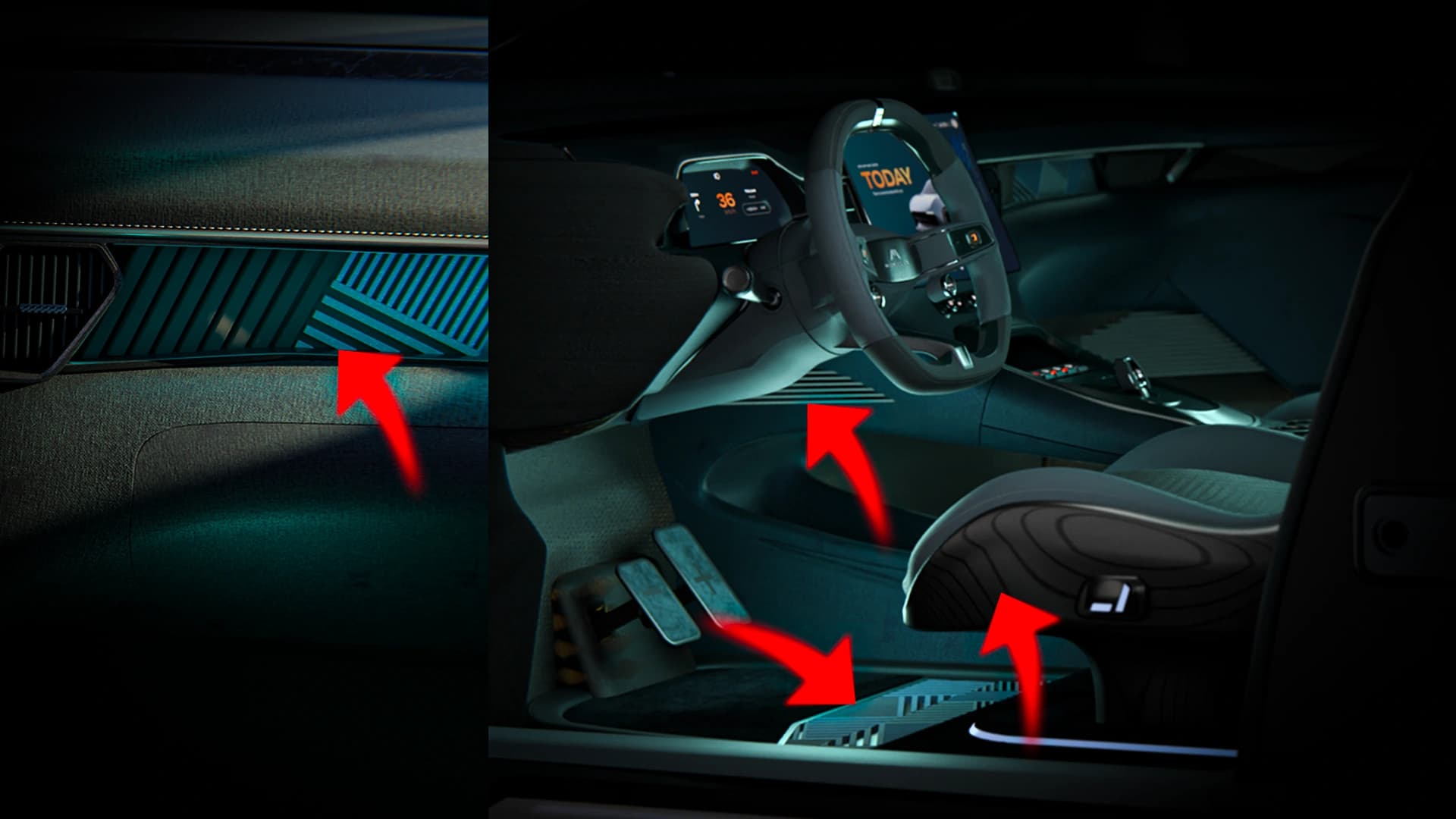
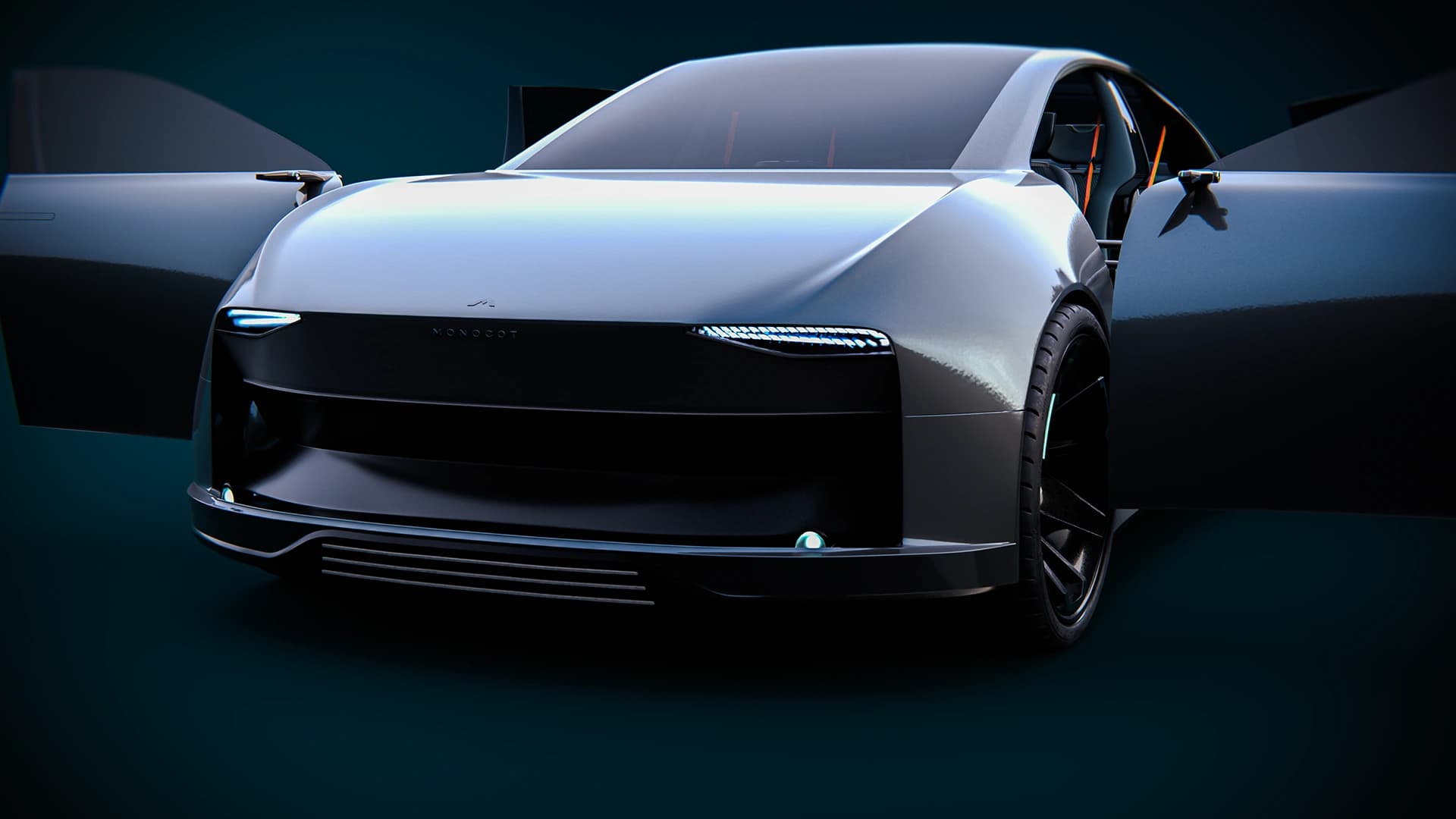
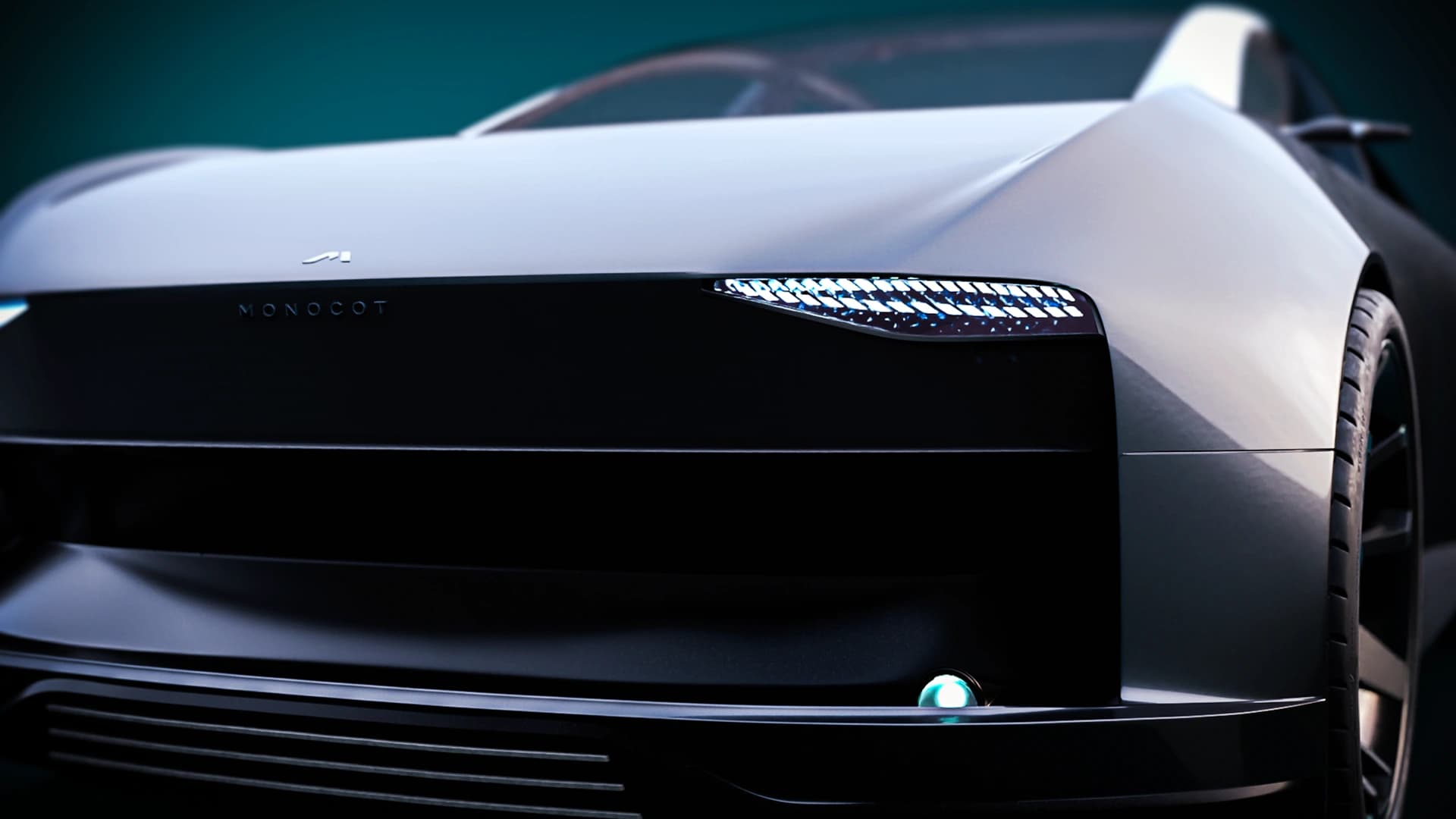
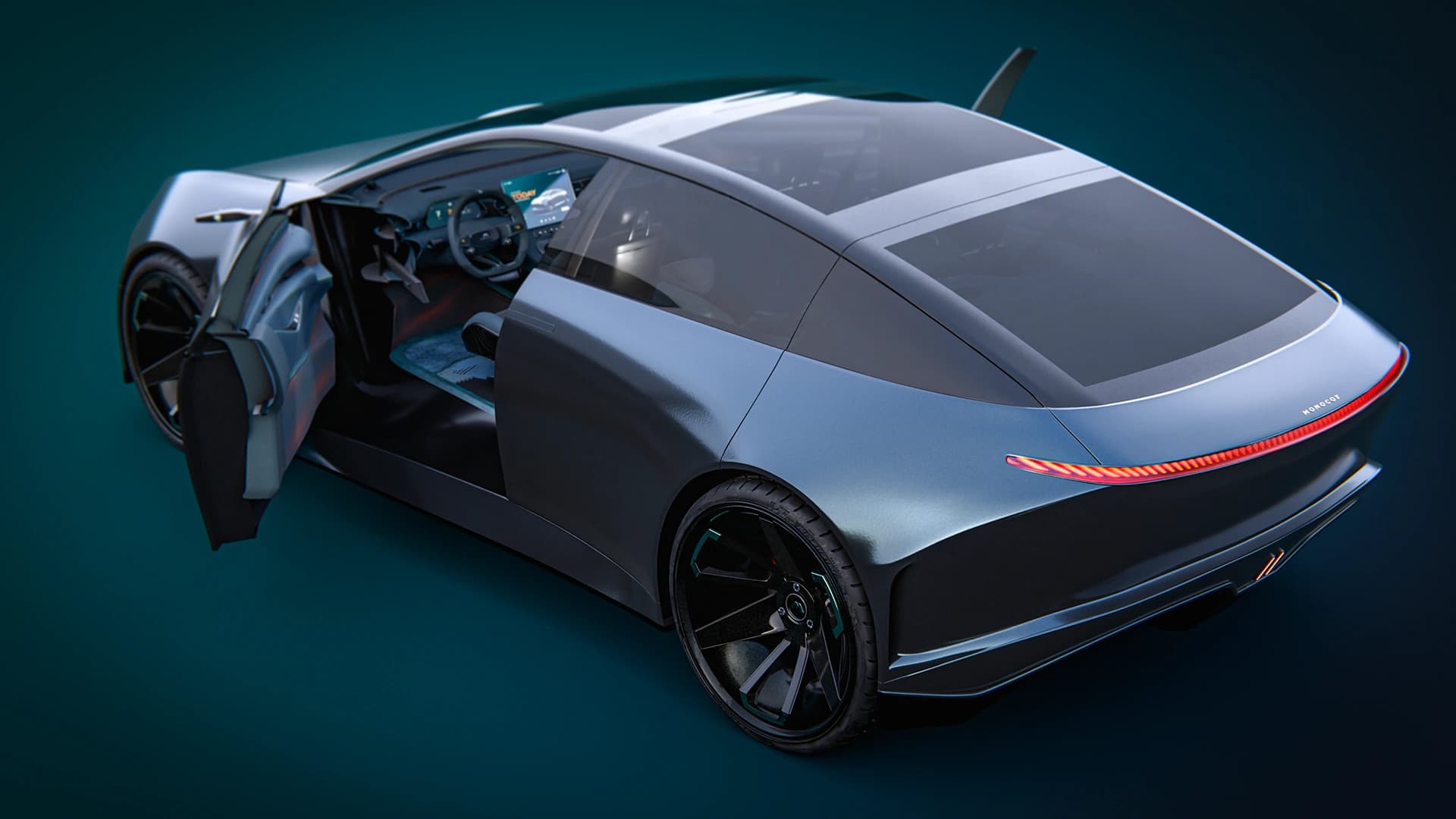
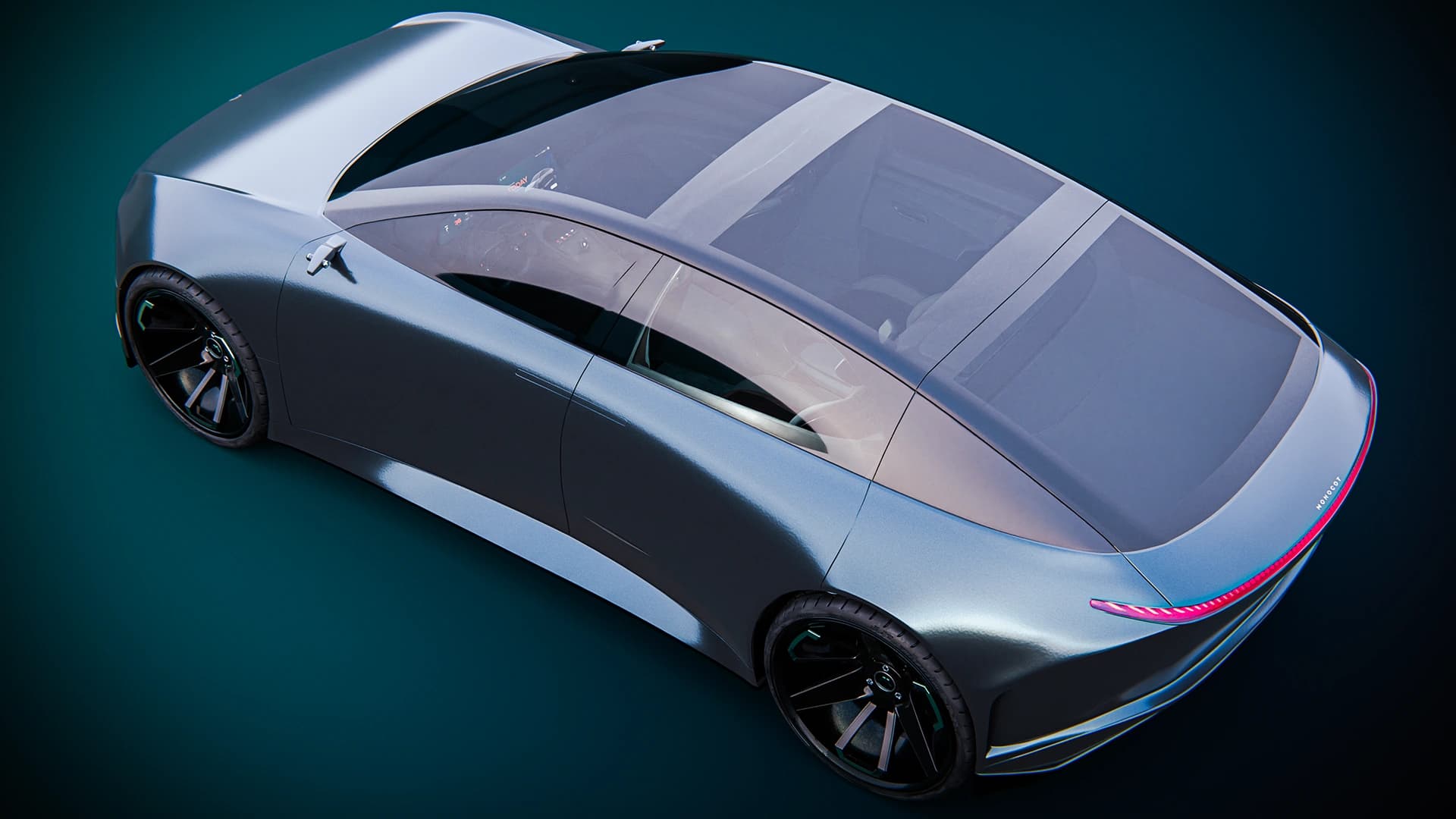
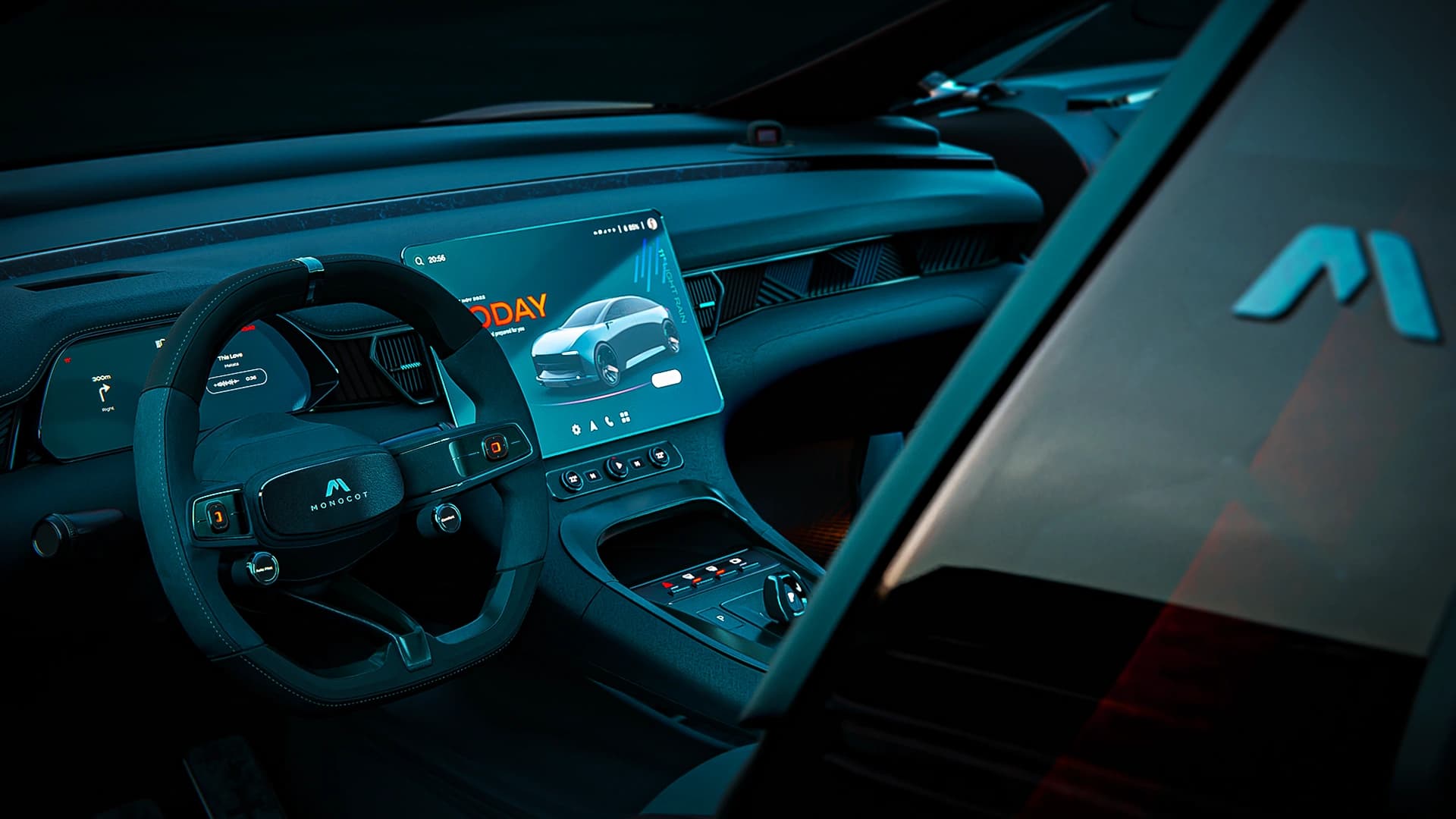
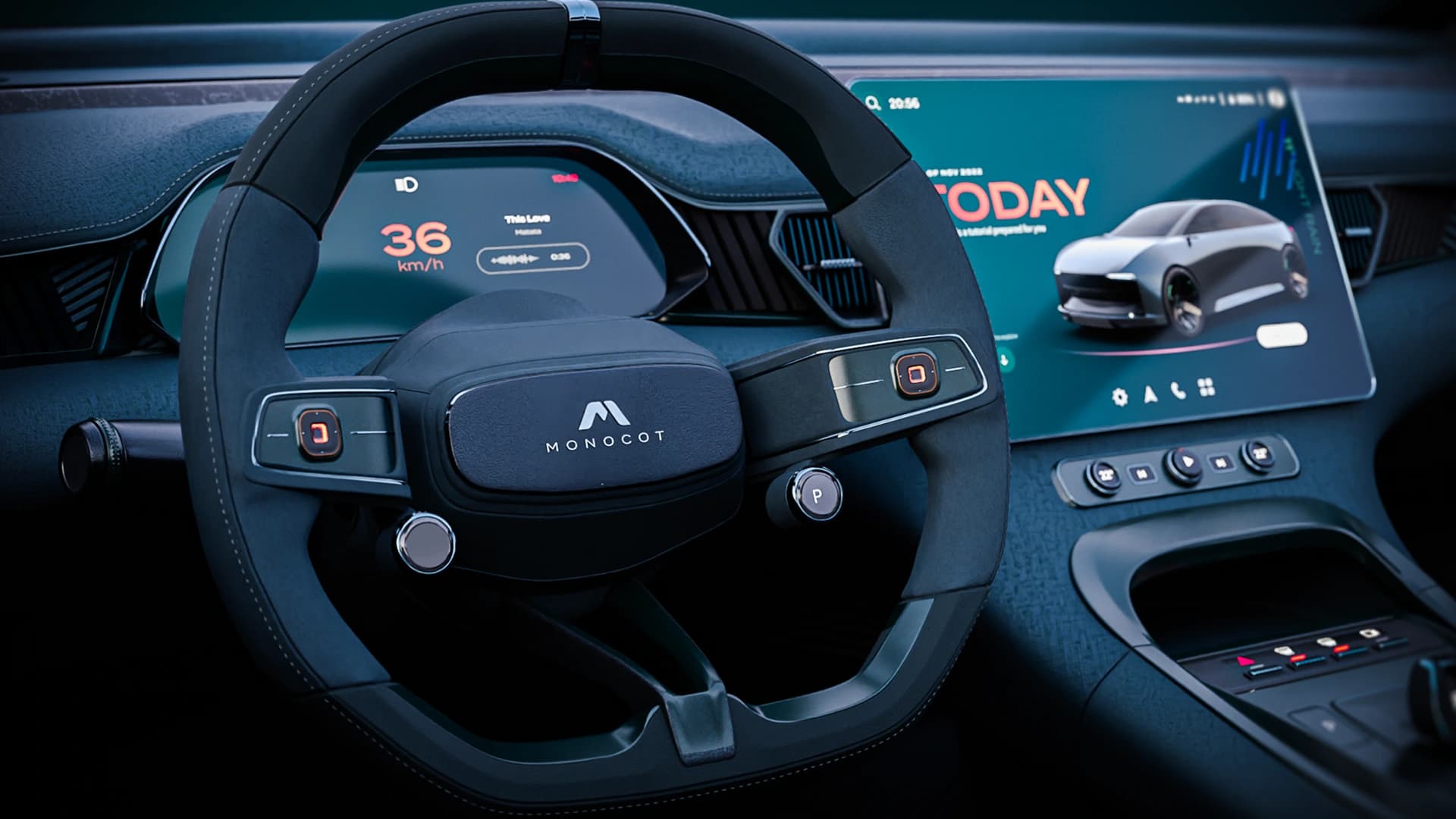
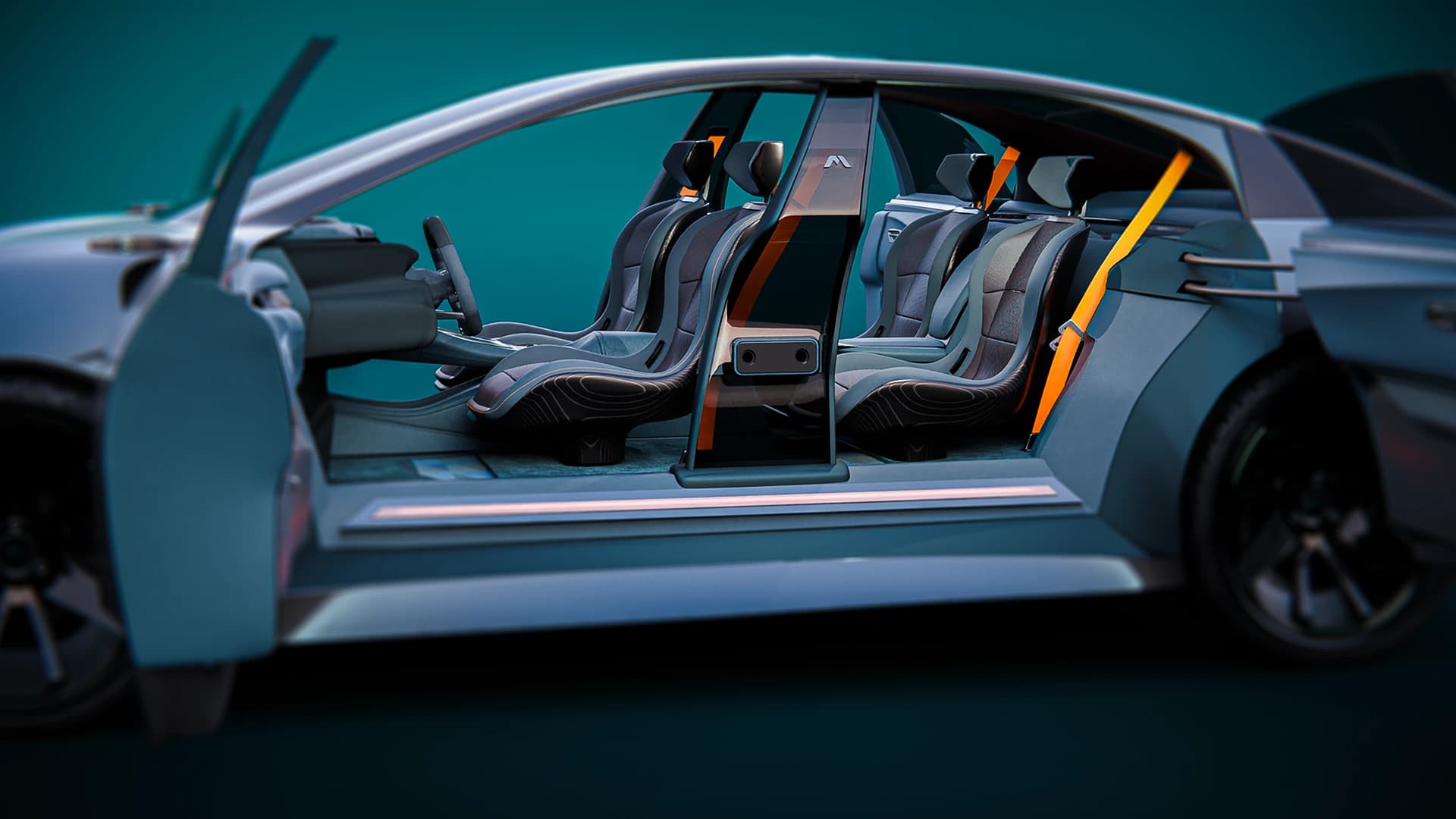
Exterior gets large, uninterrupted surfaces echoing monocotyledon leaves. Front and rear lighting runs on integrated rails. Door handles are integrated into the bodywork to avoid disrupting surface tension. Side-view mirrors are replaced by cameras feeding into the DIM. The interior carries the same parallel-line vocabulary — applied as decorative continuity rather than ornament — and the colour spectrum is derived from the Strelitzia Reginae itself.
HMI + design system
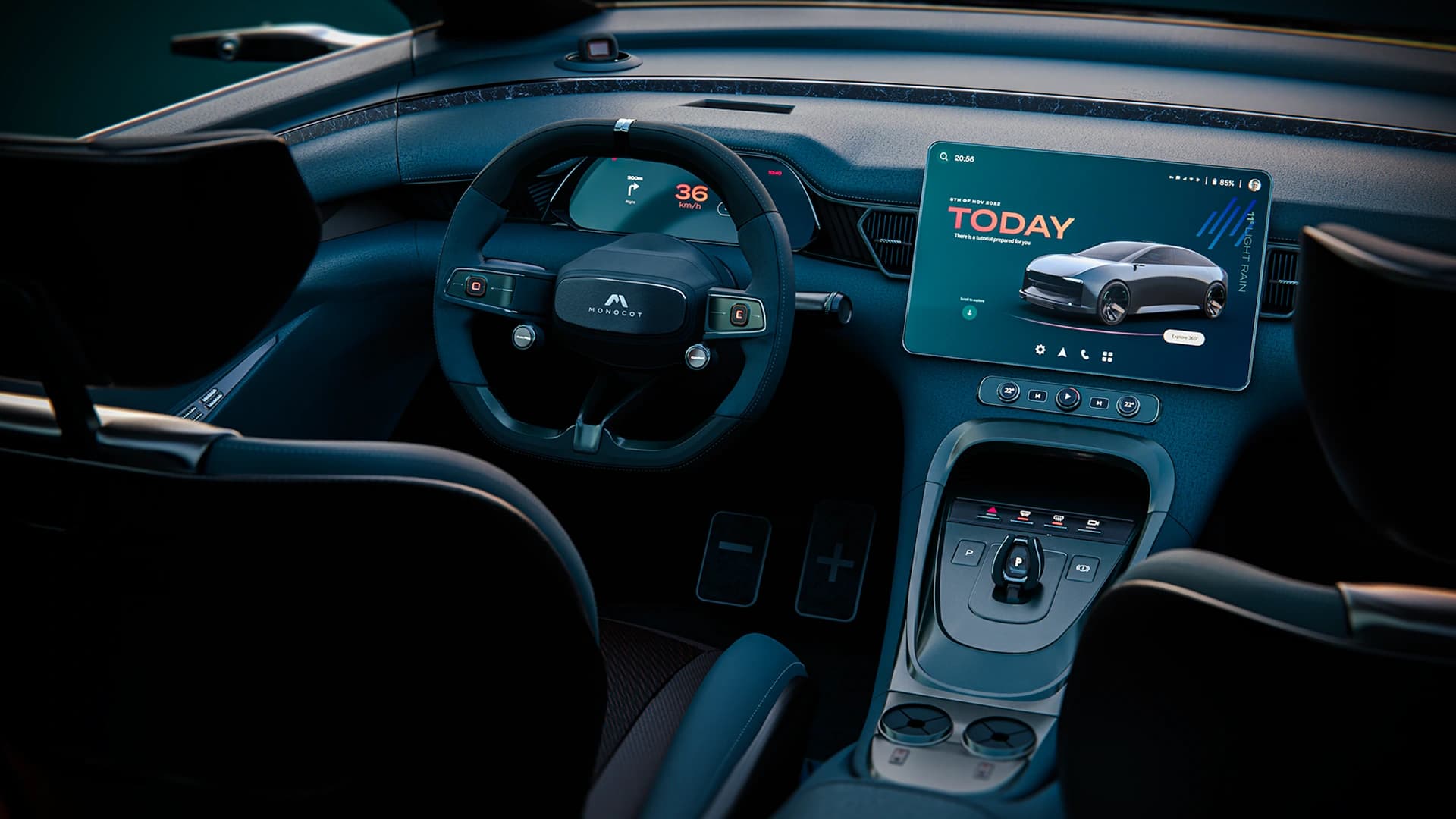
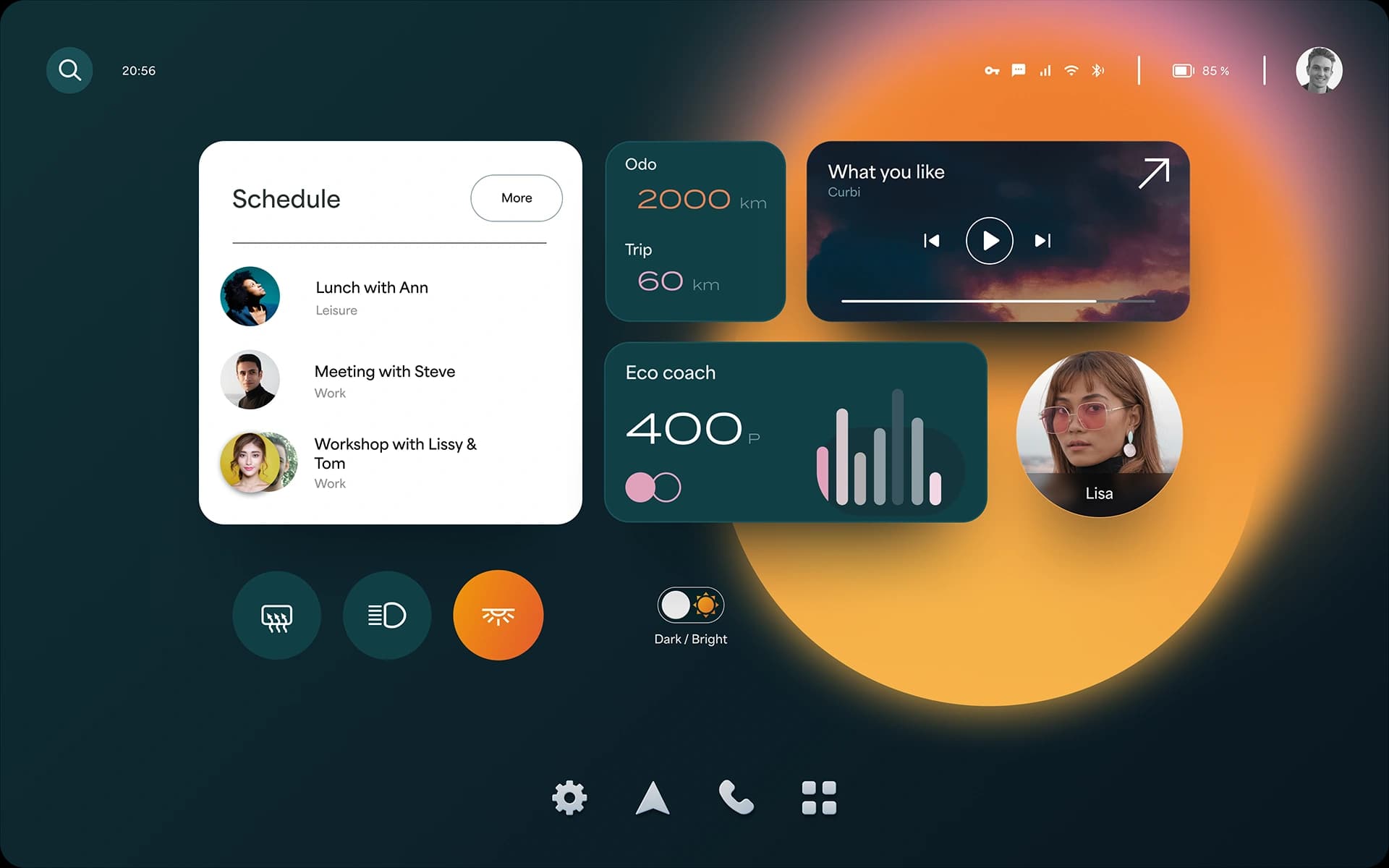
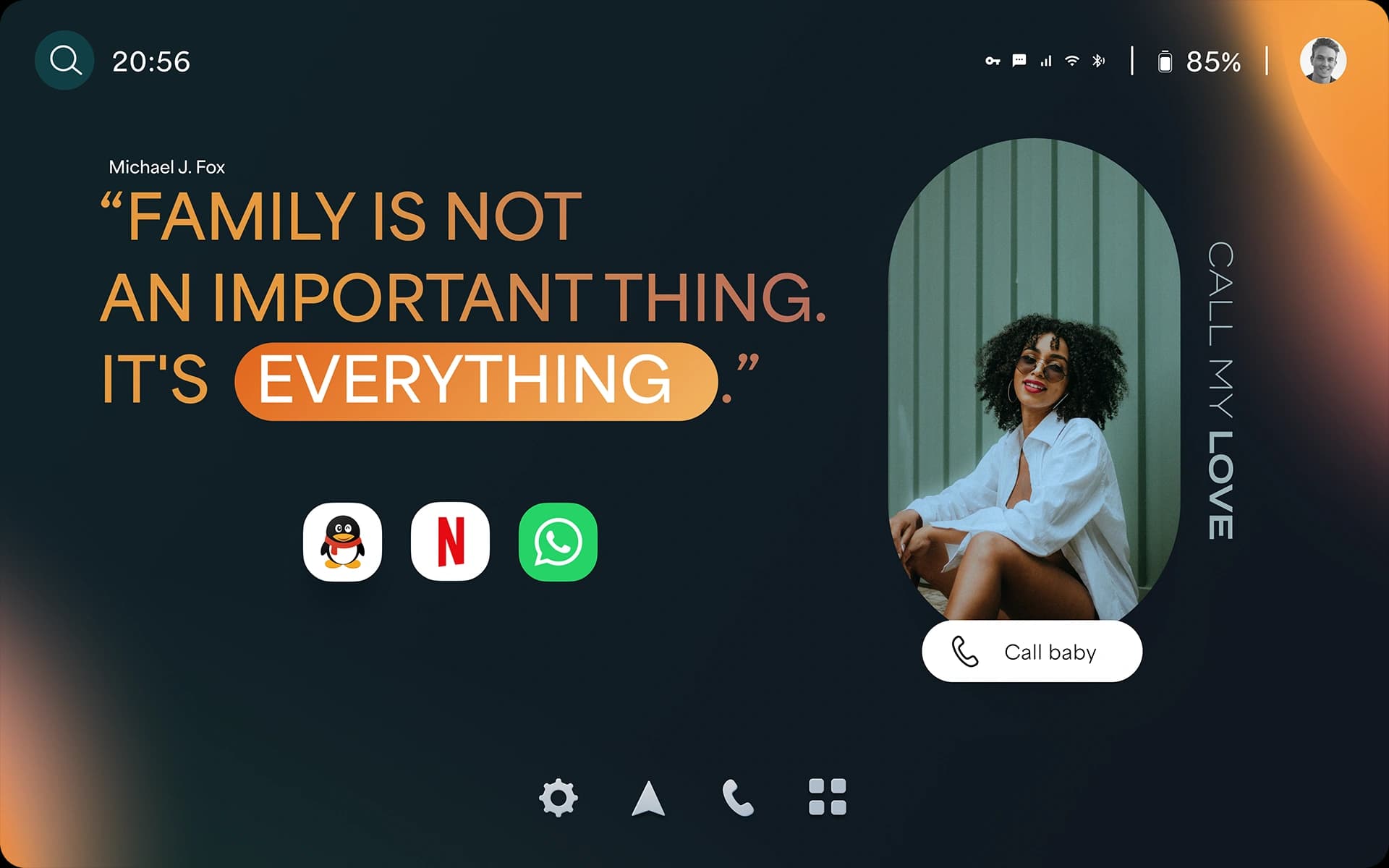
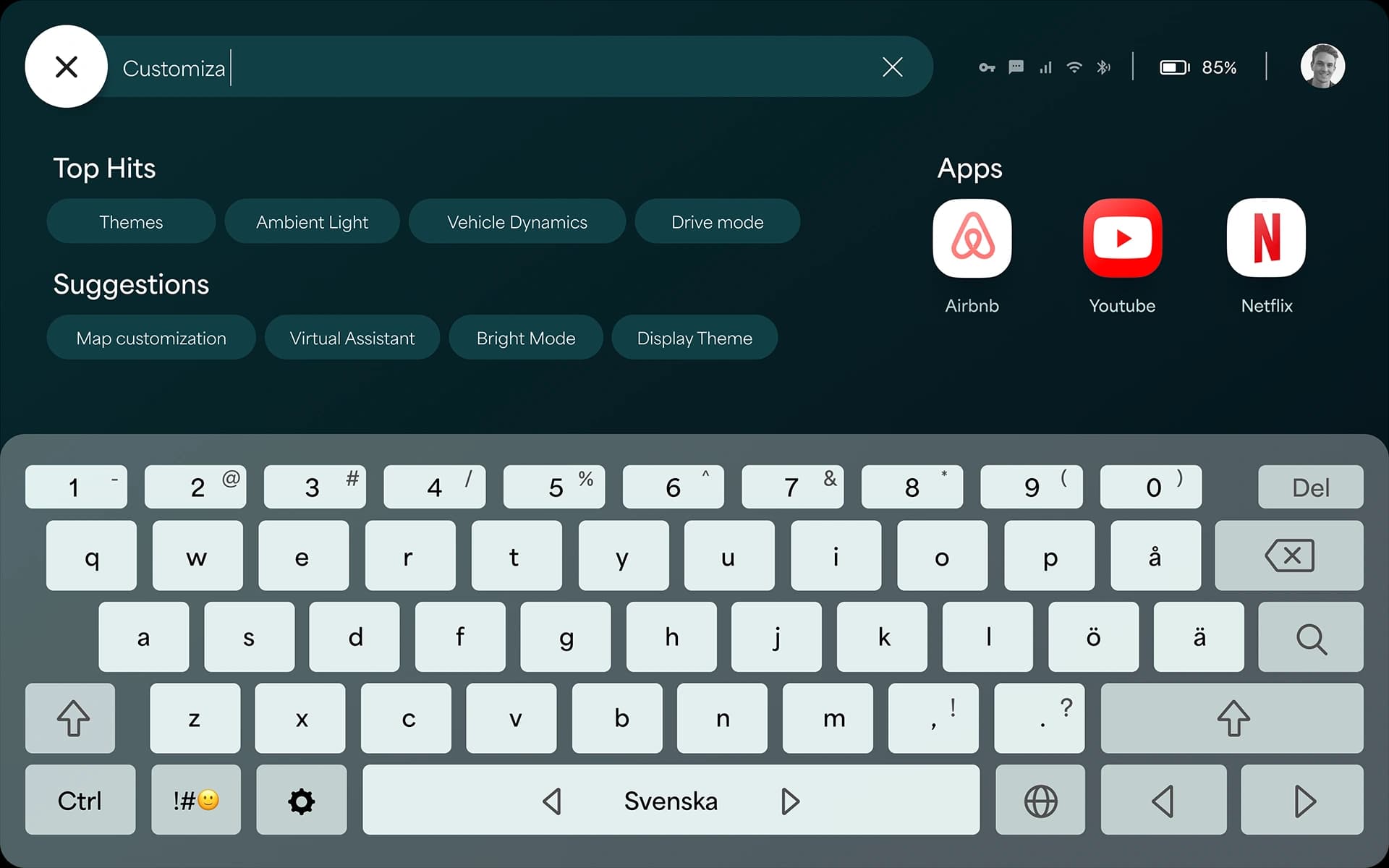
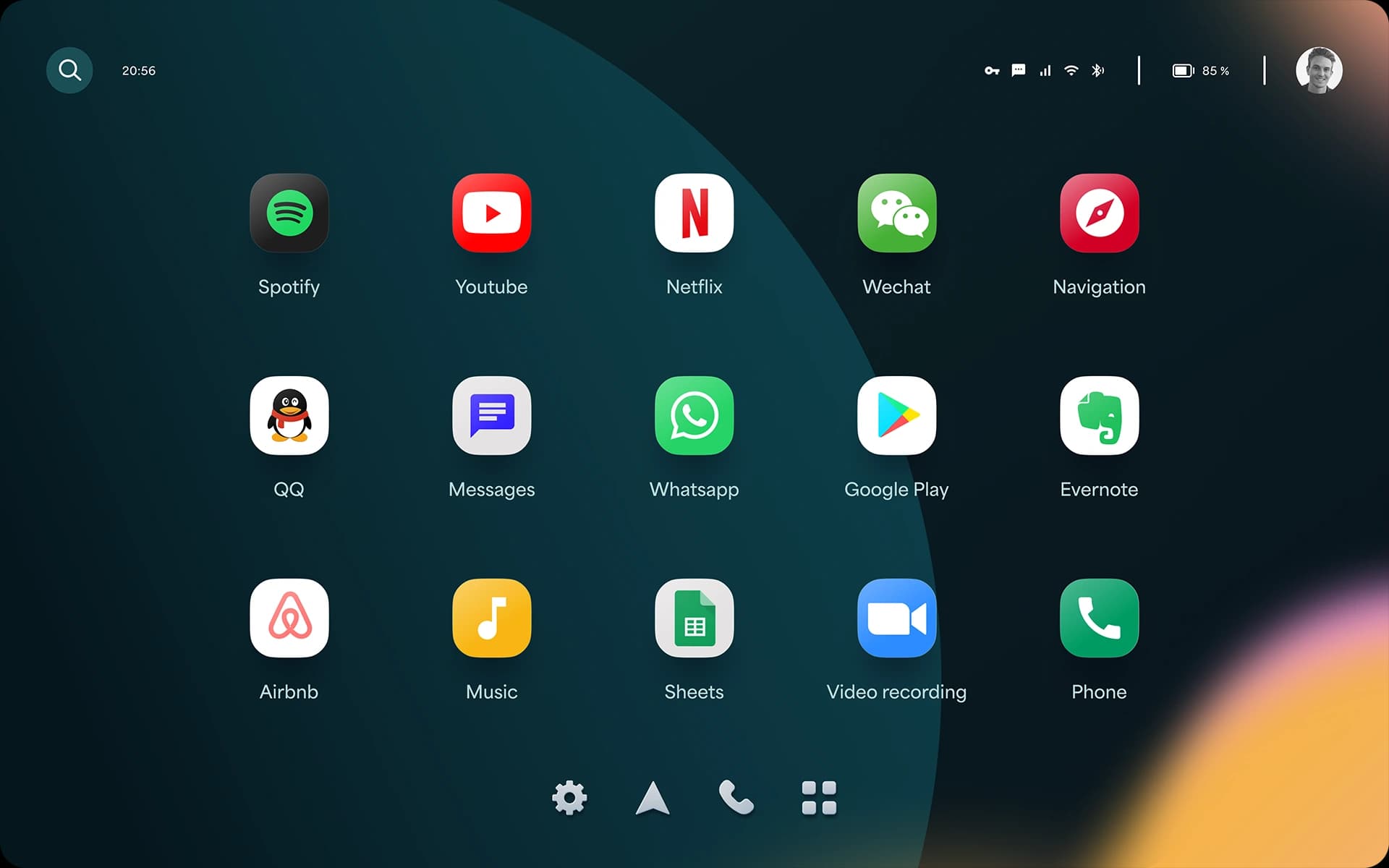
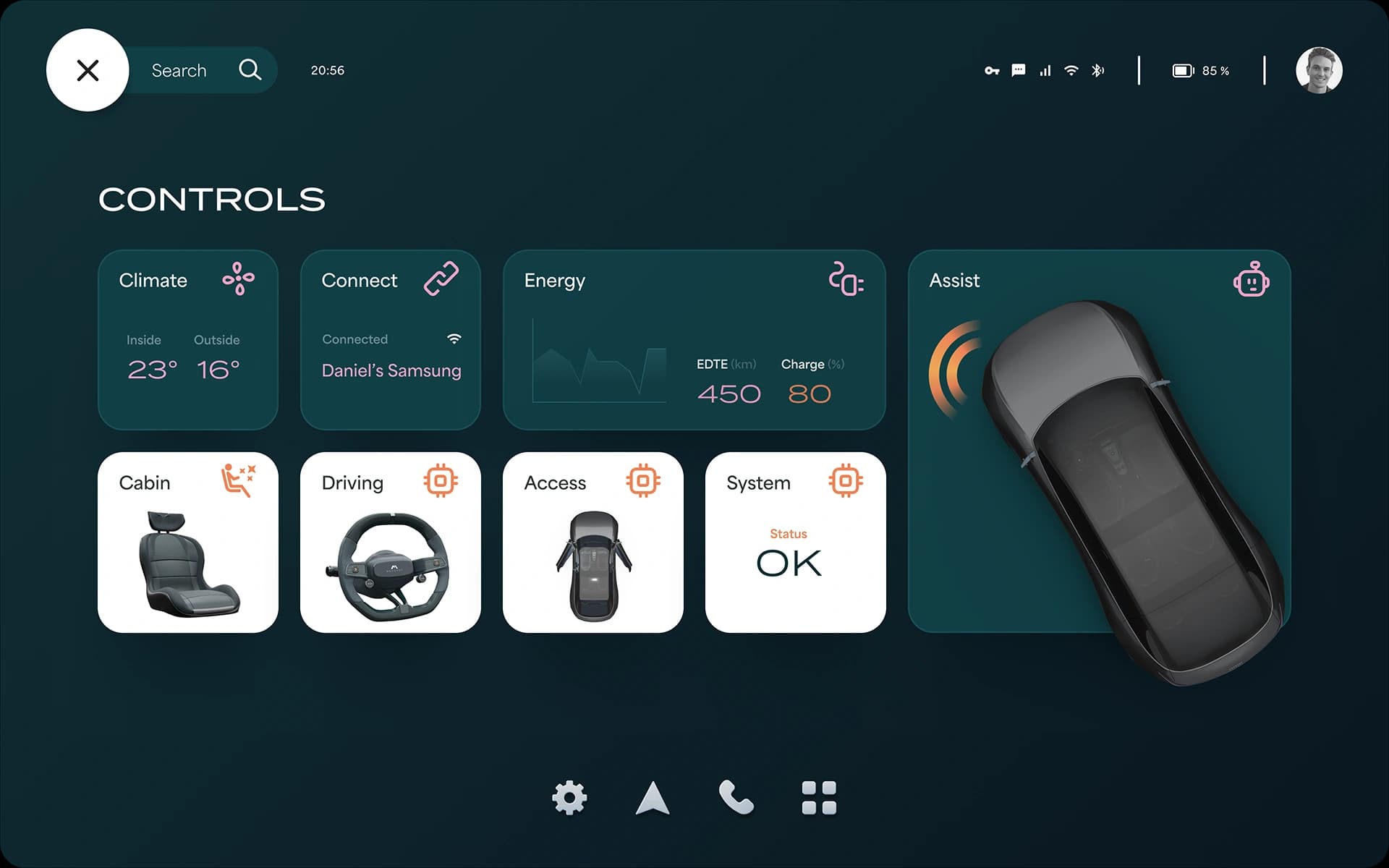
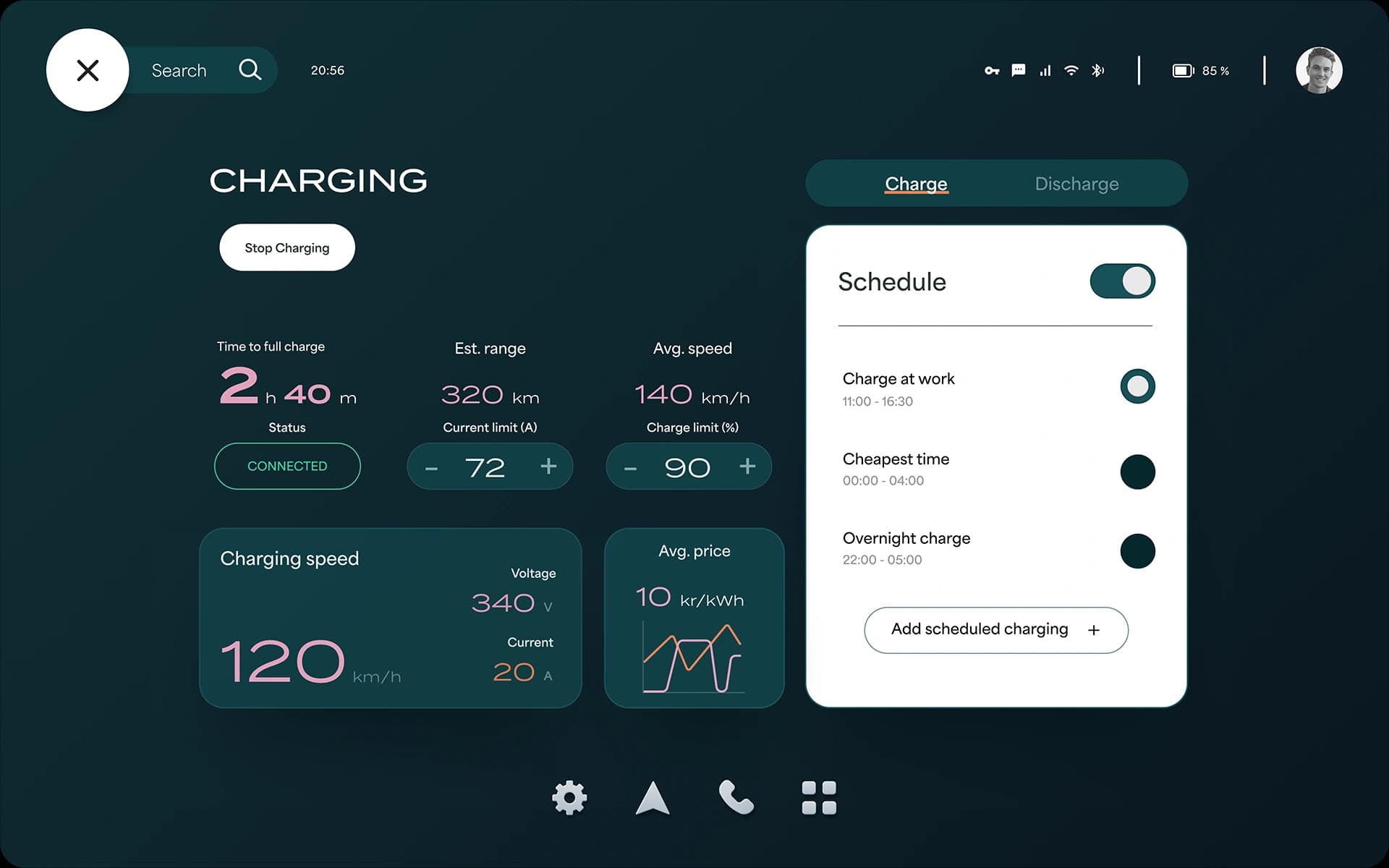
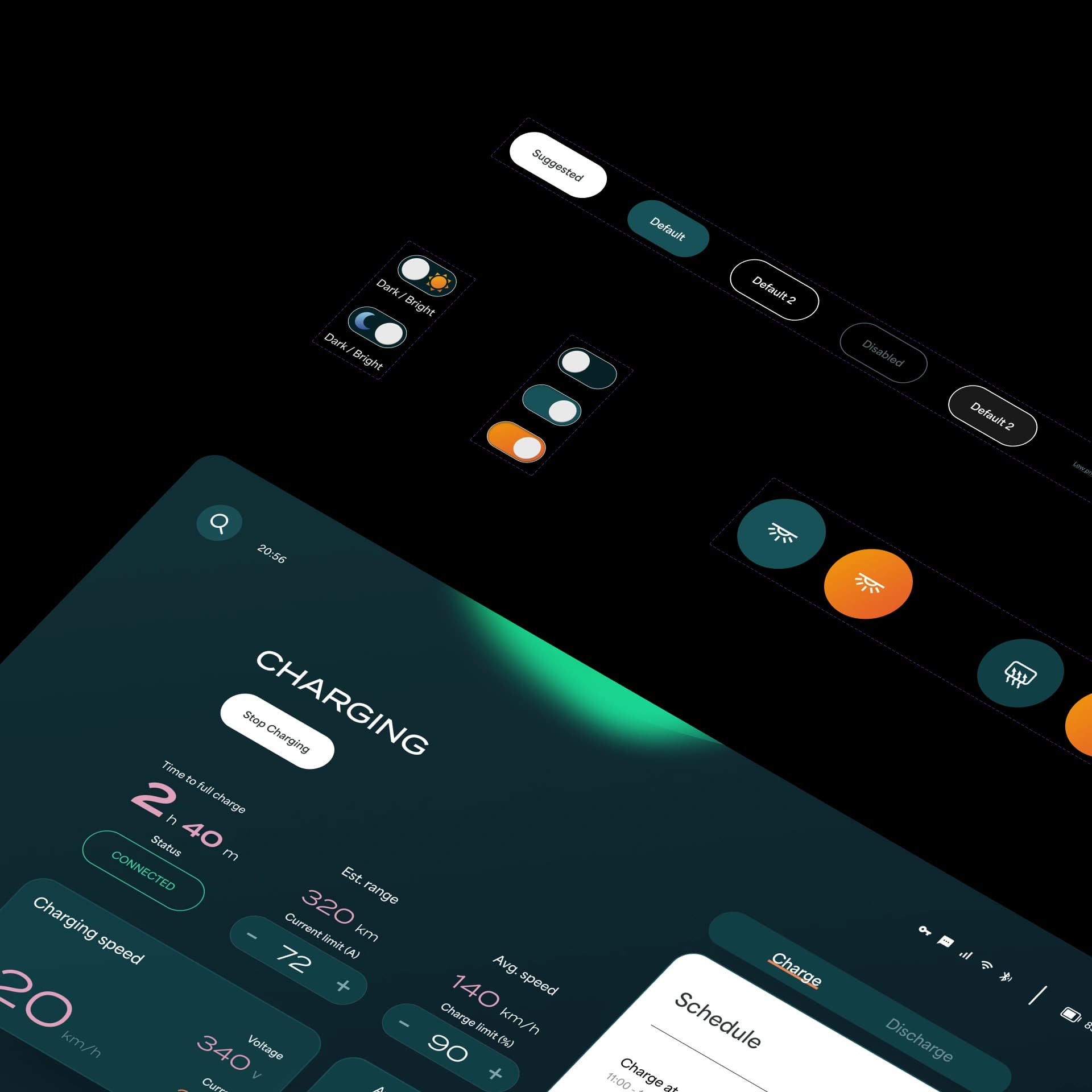
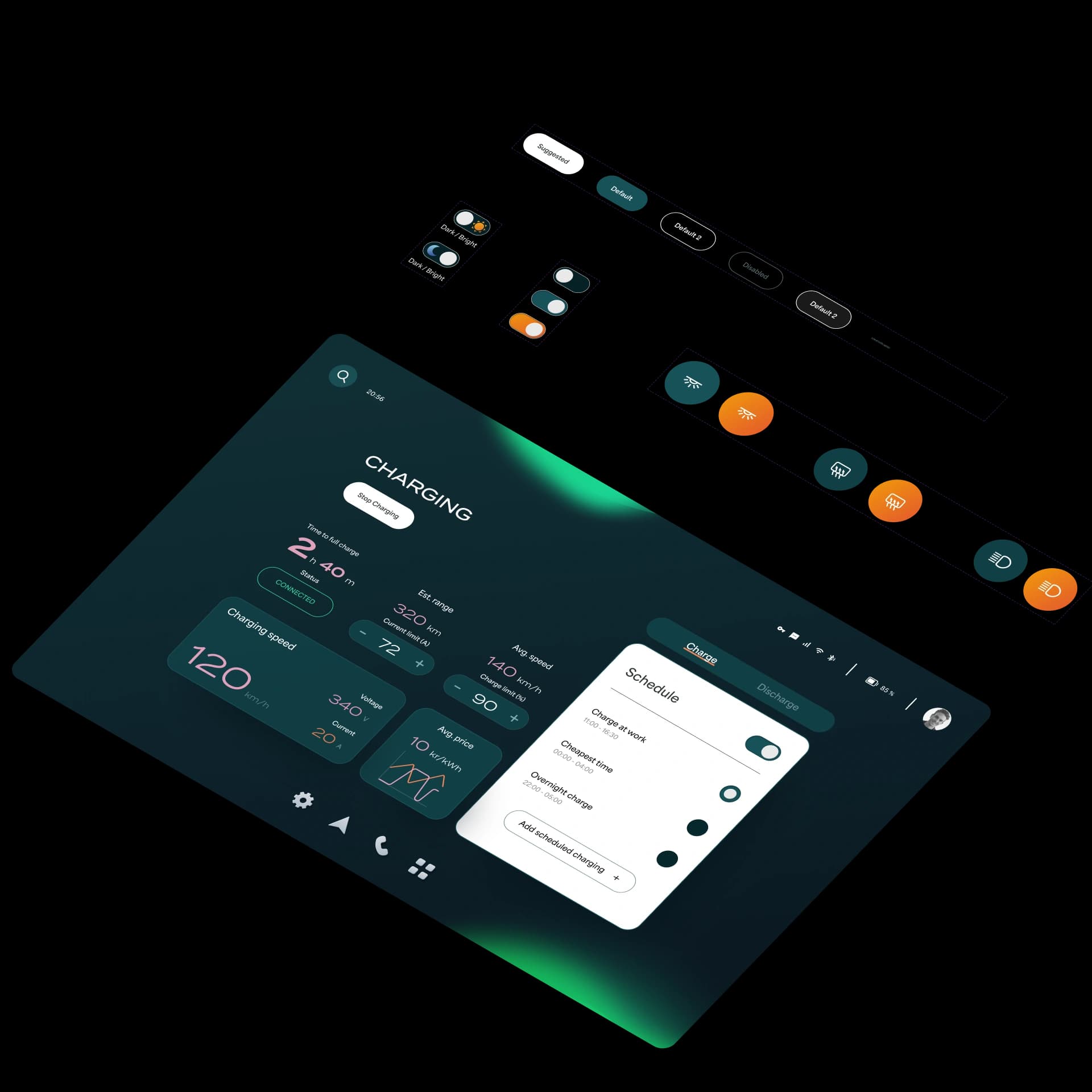
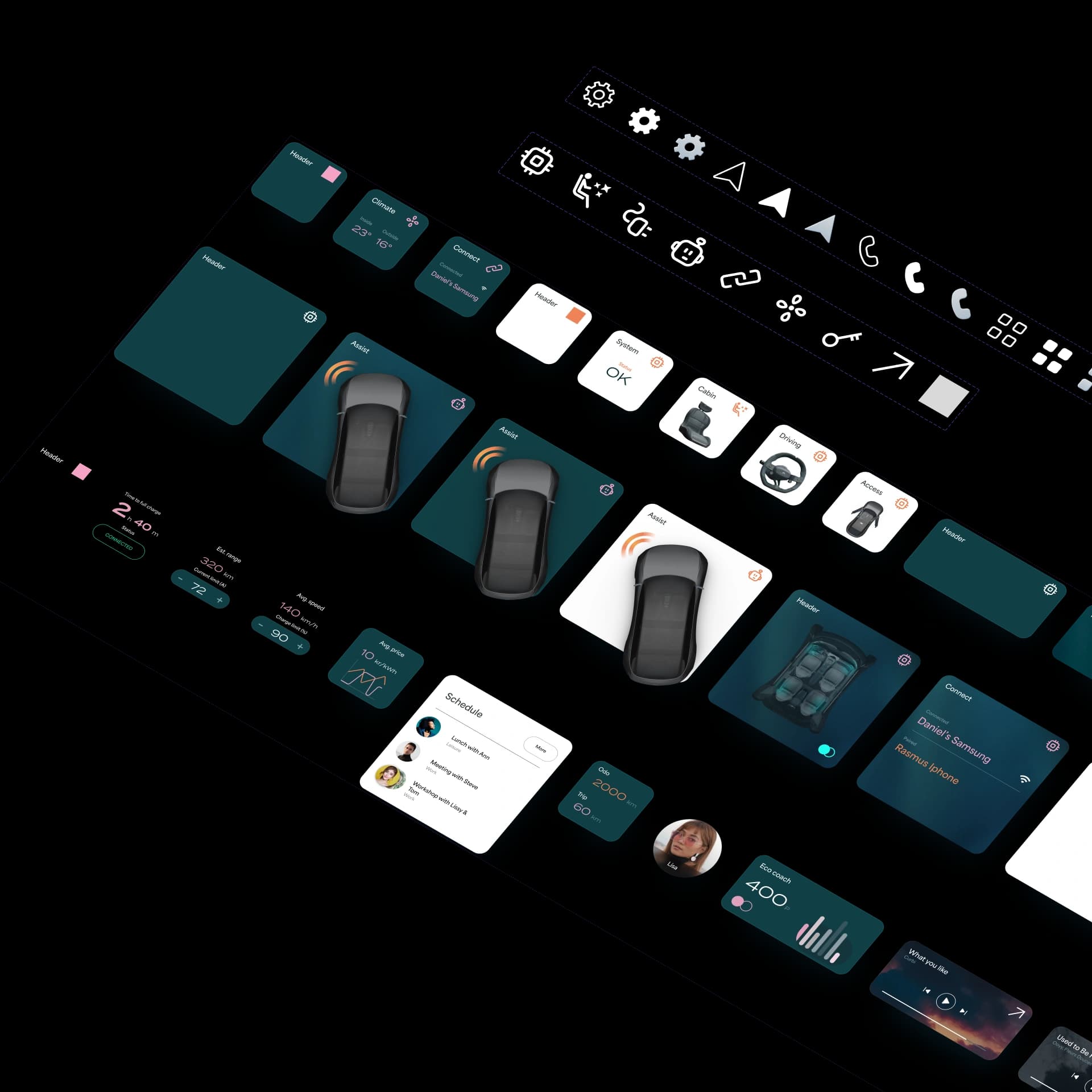
The vehicle's HMI is built on a single principle: most essential features at the fingertips. A vehicle is primarily a means of transport — the screen should not compete for attention. A grid-and-module-based design system mixes 2D and 3D in a way that doesn't call for attention for the sake of attention. Layouts, keyviews, and interaction patterns all derive from the same brand frame.
Storytelling
A short animation expresses the brand metaphor visually: the sun rises, the Monocot flower pushes through the green field as a single leaf, breaks the status quo, and shines in its eco-system. The whole story lands in under a minute — but each beat anchors back to a brand value.
Approach + next steps
V1 is hypothesis-based: built on experience and a clear sense of what we believe works. The next pass opens it up — forum, open-source co-creation, iteration. The whole project doubles as a portfolio piece for cross-discipline work (brand + 3D + HMI + animation in one coherent thread) and a stress-test of our own pipeline.
02 · Biomimicry
Nature as inventor
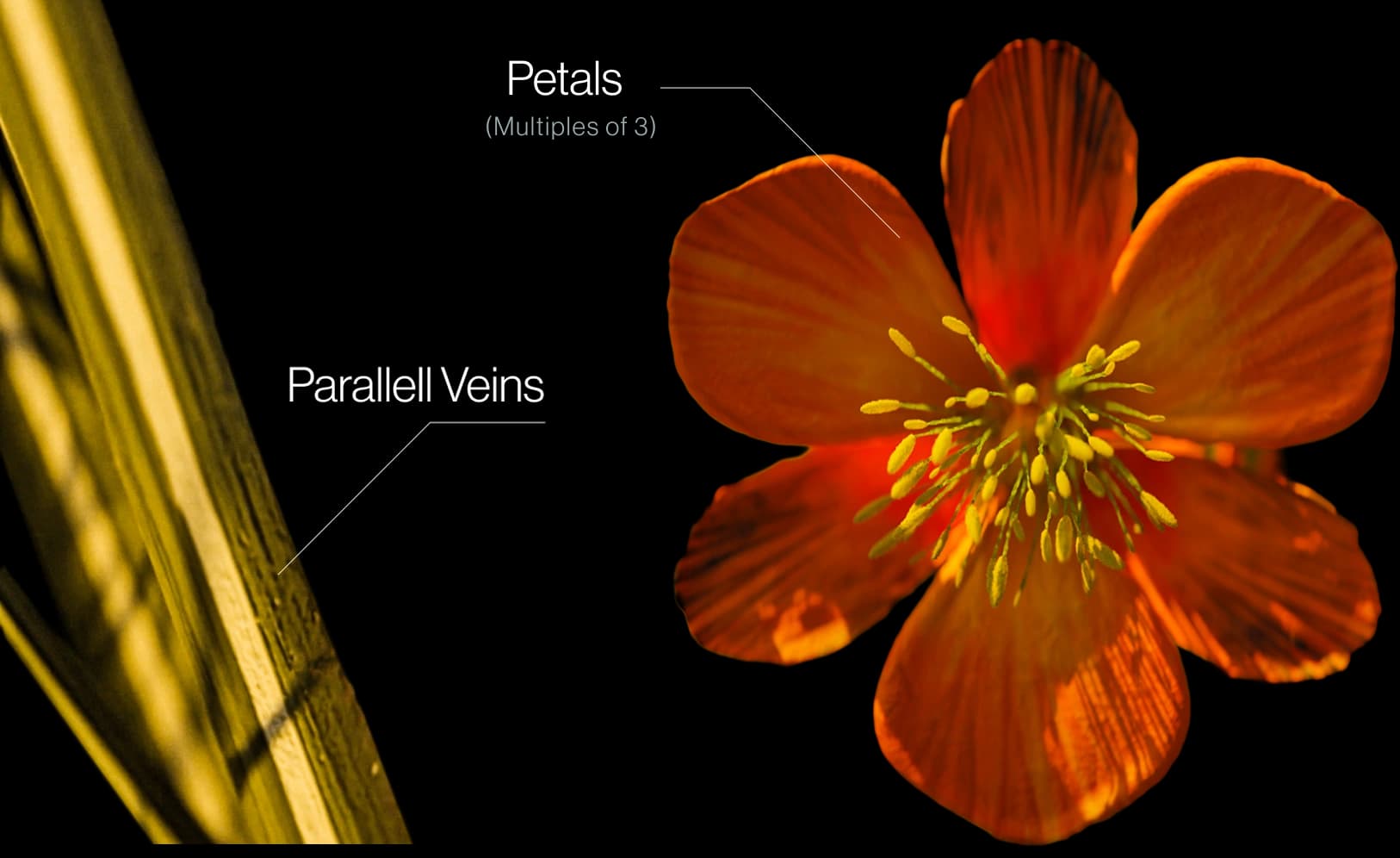
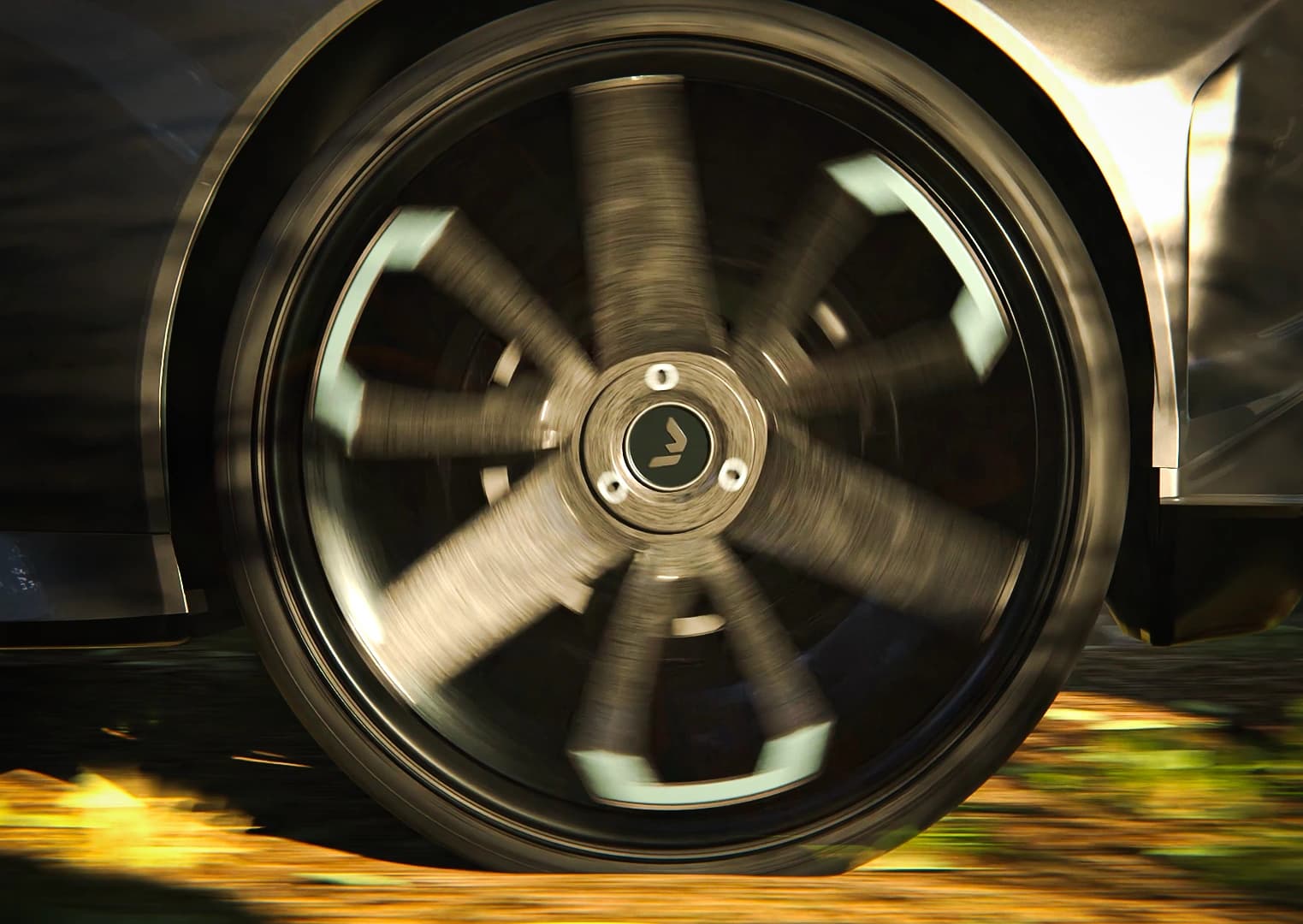
Nature has been an inventor for millions of years. The Strelitzia Reginae (Bird of Paradise) — a Monocotyledon-clade flower — anchors the brand's colour spectrum and shape language. Long parallel veins, petals in multiples of three, and the single-leaf-pushing-through-soil silhouette translate directly to the design system: rim geometry uses 6 “petals” (multiples of 3), interior and exterior surfaces carry sweeping parallel lines, and the colour palette pulls directly from the flower itself.



03 · Storytelling
Translating into design
From flower to vehicle: a sequence of design decisions where each visual element traces back to a botanical reference. Wheel arches and surface treatments echo petals; lighting bars echo veins.


04 · Exterior
Monocot Exterior
Long, uninterrupted surfaces echoing monocotyledon leaves. Lighting on integrated rails, door handles tucked into the bodywork to preserve surface tension, side-view mirrors replaced by cameras.
05 · Interior
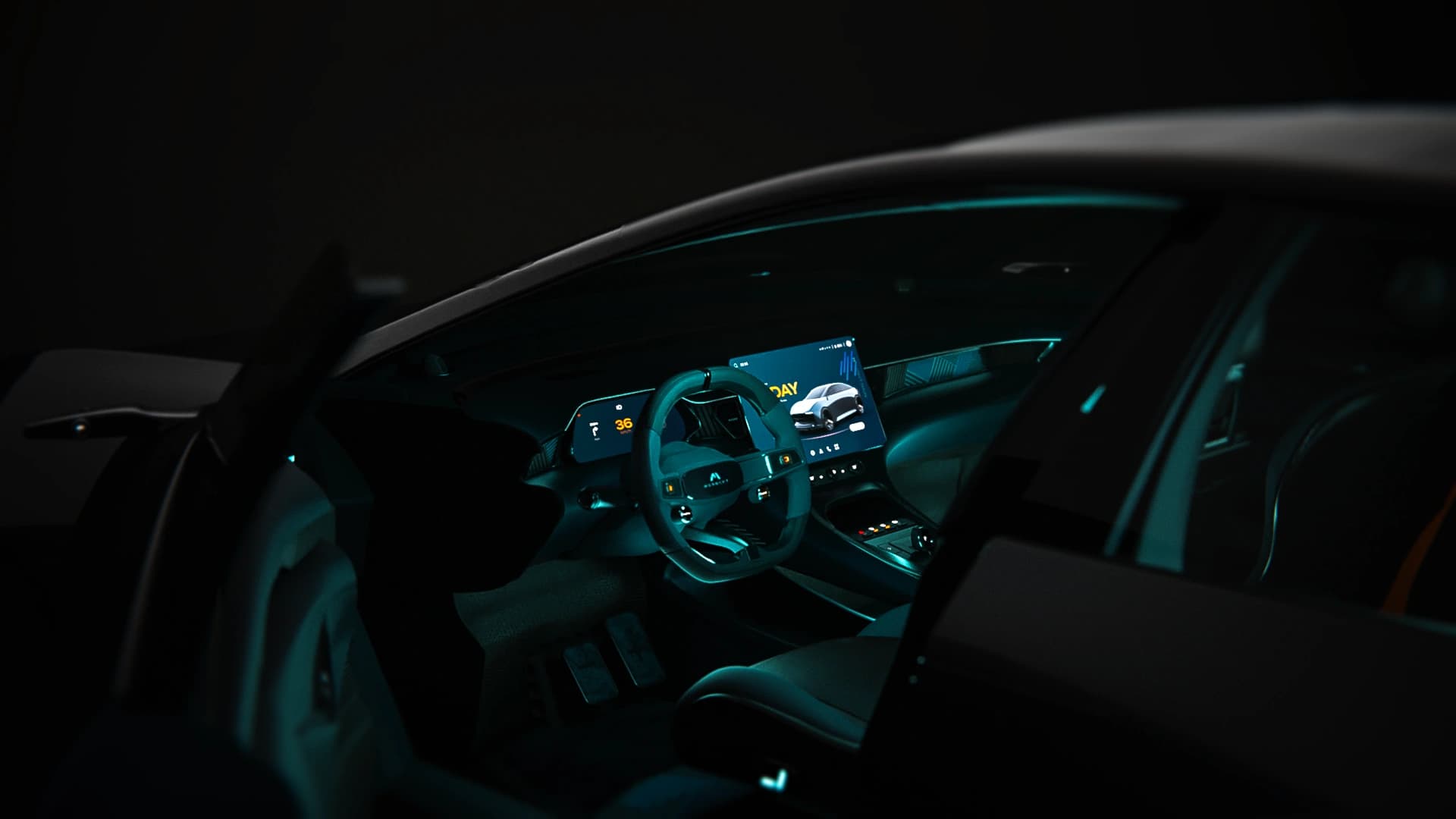
Monocot Interior
The interior carries the parallel-line vocabulary as decorative continuity rather than ornament. Colour spectrum derived directly from the Strelitzia Reginae itself.
06 · HMI
HMI + Design system
Built on one principle: most essential features at the fingertips. A grid-and-module design system mixes 2D and 3D in a way that doesn't call for attention. Layouts, keyviews, and interaction patterns all derive from the same brand frame.
07 · Environment
Vehicle in context
Studio renders are an honest test for surface and material; environment renders are where the brand starts to feel like a product in the world. Editorial framings over catalogue ones — the goal is mood, not spec sheet.